Ancient Indonesian Lava Stone Buddha Head
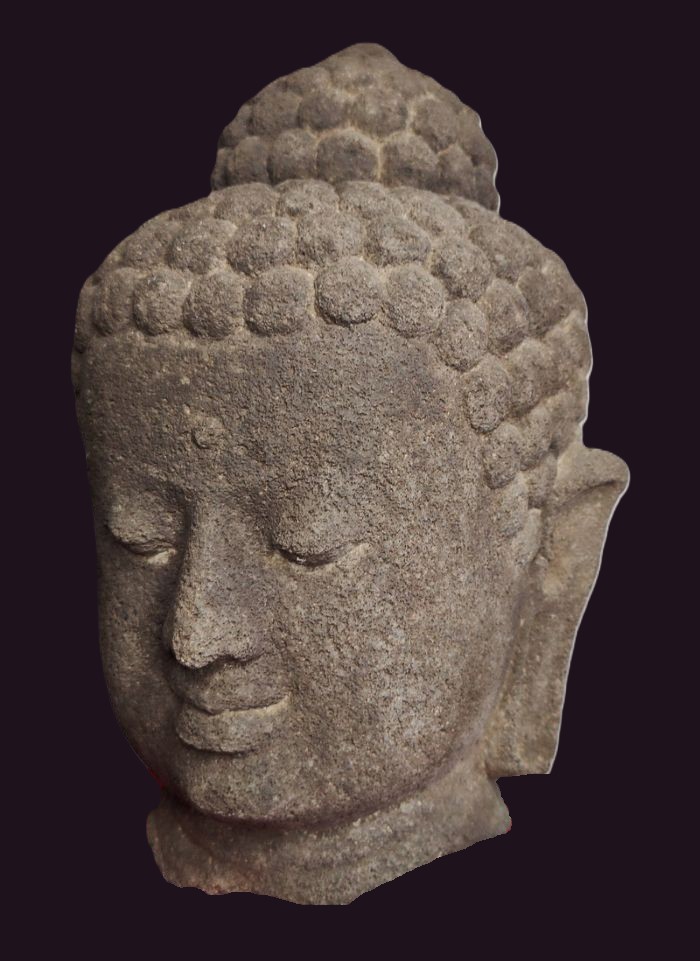
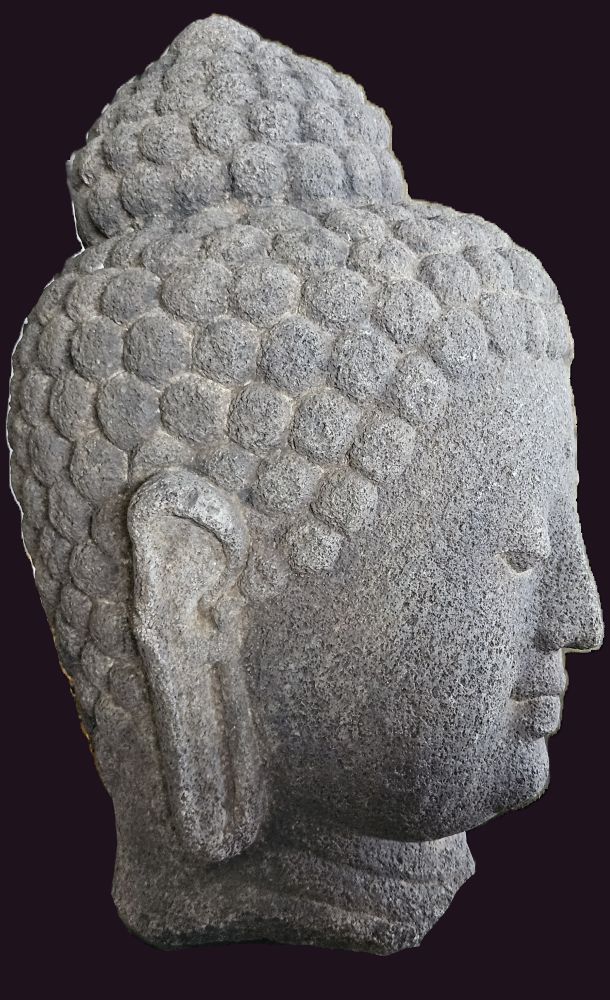
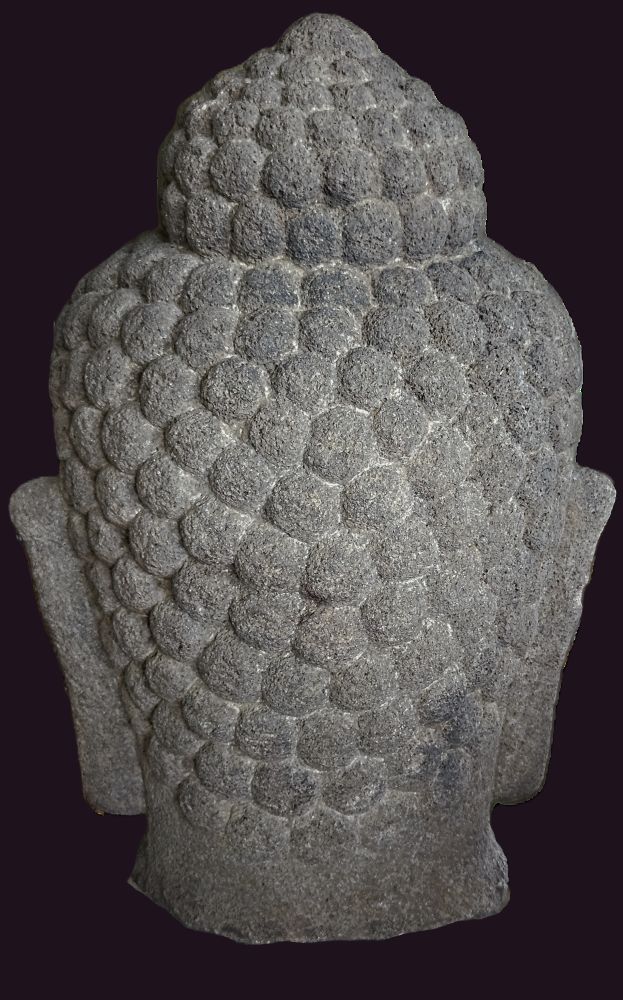
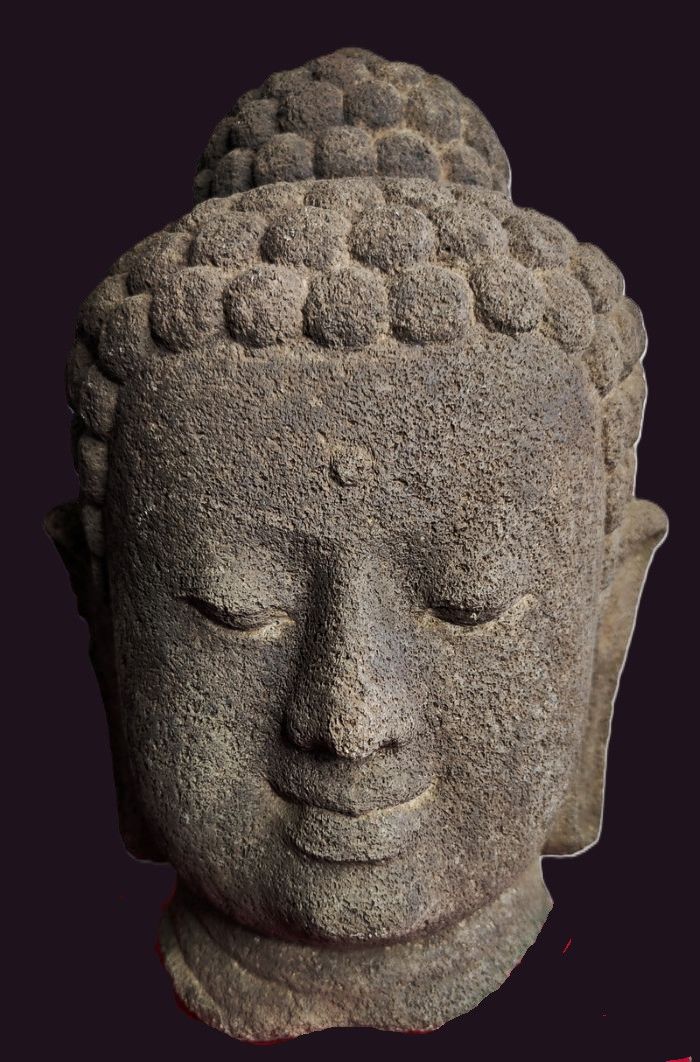
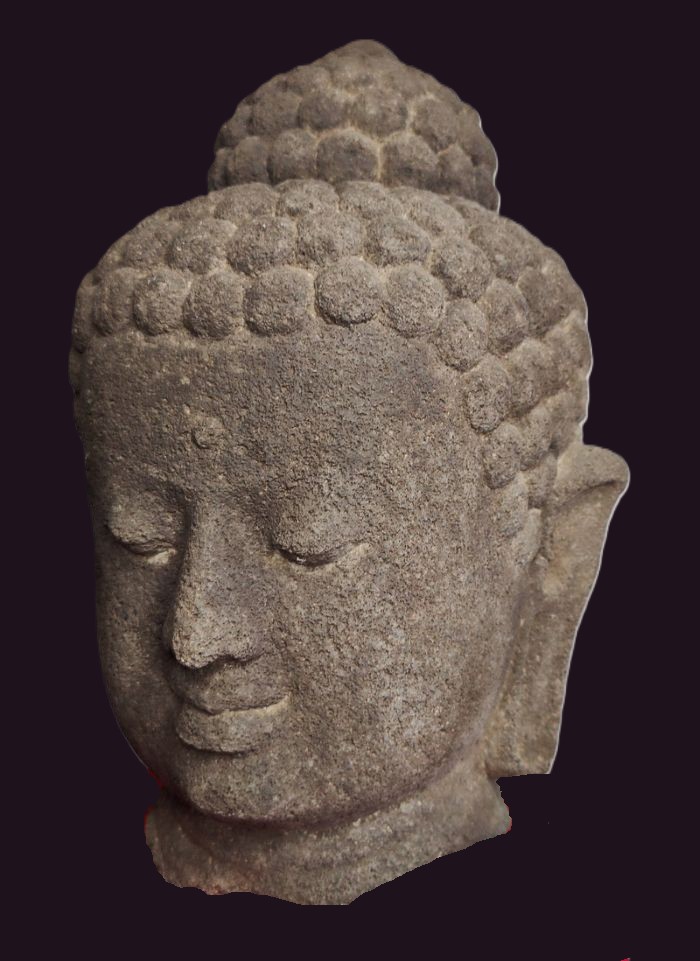
This ancient Indonesian lava stone Buddha head reflects the height of Javanese Buddhist art from the Shailendra Dynasty. Carved between the 8th and 10th centuries AD, this Borobudur-style sculpture dates to the same period as the Borobudur stupa in central Java’s Kedu Valley.
We acquired this lava stone Buddha head 40 years ago whilst residing in Indonesia along with this Agastya stone stele.
An expert description of this Buddha head, specializing in Southeast Asian, Himalayan, and Indian art:
“The tightly curled usnisha (the cranial bump) and the elongated earlobes align perfectly with the Buddhist artistic height of the Kedu Valley era.
From the photographs it looks genuine to me. The curls are not articulated as much as those from Borobudur so probably not from that site. But it looks authentic to the period“.
SPECIFICATIONS:
- AGE: – 8th – 10th Century
CONSTRUCTION: – Lava stone
HEIGHT: – 38 cm
WIDTH: – 27cm
WEIGHT:– 18.05 kg.
#6a
Ancient Indonesian Lava Stone Buddha Head
Observations on the Sculpture
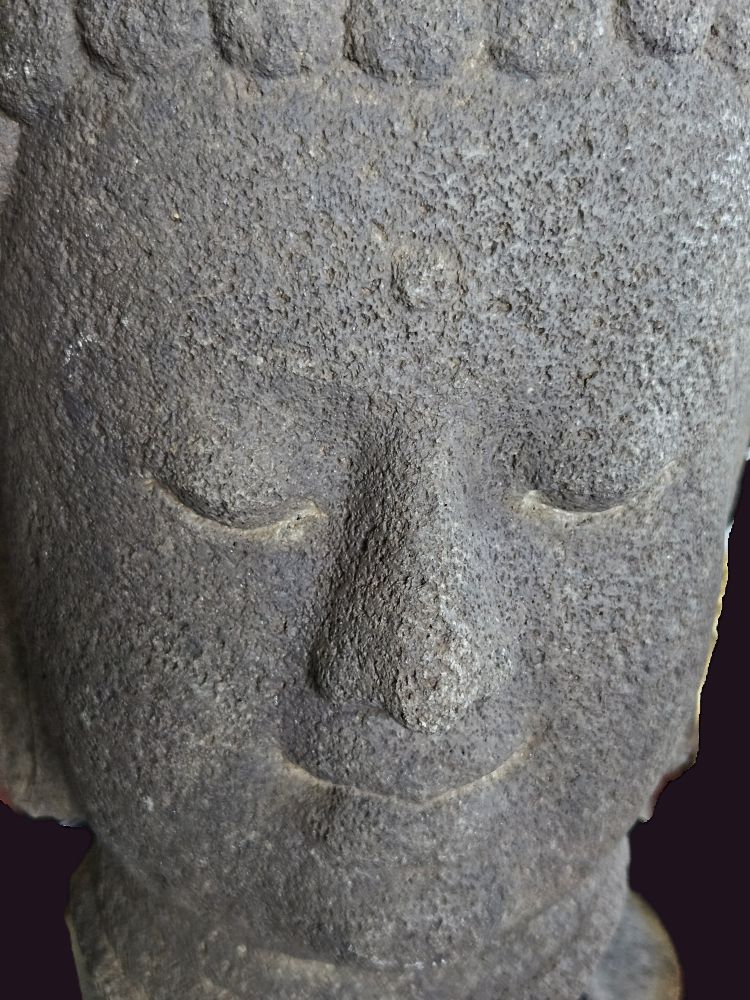
Iconography: The head shows the serene “transcendental” expression typical of the Shailendra Dynasty. The downcast eyes, gentle smile, and well-defined urna (the circular dot on the forehead) are consistent with the Dhyani Buddha statues found at Ancient Borobudur.
Material and Texture: The porous, vesicular nature of the stone is characteristic of volcanic andesite or lava stone. Over centuries, this material develops a specific weathering pattern that is difficult to replicate with modern casting.
SHAILENDRA DYNASTY
During the 8th to 10th centuries, the Shailendra Dynasty monarchs maintained a profound commitment to Buddhism, establishing robust trade and diplomatic networks with the Srivijaya Empire in Sumatra and the Pala and Chola kingdoms of India. These regional powers were united by a shared adherence to Mahayana Buddhism, a tradition that originated in India and eventually became the primary Buddhist school across Tibet, China, Japan, and much of Southeast Asia. The cultural exchange was so significant that Srivijayan rulers sponsored the construction of major monastic centers at Nagapattinam and Nalanda in India, further cementing the artistic and religious links that influenced the creation of Ancient Borobudur.
The Srivijaya Kingdom experienced significant territorial expansion, exerting control over much of Java by the 9th century. This dominance persisted until 1025 AD, when the Chola dynasty seized Palembang, leading to a period of decline. By the late 12th century, the Srivijayan empire had contracted significantly, and its regional hegemony in Sumatra was superseded by Malayu, then a vassal of Java.
Epigraphic evidence, specifically the copperplate grant of Devapala-deva, highlights the sophisticated diplomatic and religious ties between the Shailendra and Pala empires. This artifact is recognized as the earliest recorded instance of a Brahman monarch providing a land grant to a Buddhist monastery. The endowment was intended for the maintenance of the monastic community, the preservation of the facility, and the reproduction of manuscripts within the monastery established by the Sumatran sovereign. Notably, the plate records that the grant was issued at the request of Maharaja Balaputra Deva of Suvarnadvipa (Sumatra).
- The regional religious landscape shifted from the 13th century as Islam spread throughout the Indonesian archipelago. Consequently, Ancient Borobudur and the established Hindu-Buddhist kingdoms entered a period of decline as local populations transitioned to Islamic faith and governance.
Historical Rediscovery: The temple structure remained obscured by jungle growth for centuries following the 13th-century religious shifts in the region. - 1814 Discovery: Systematic documentation and clearing began after the site was identified by Sir Thomas Stamford Raffles.
- Contemporary Significance: Borobudur remains a vital site for Buddhist pilgrimage in Indonesia and Southeast Asia.
- Liturgical Observance: The site is the focal point for Wesak (Sanskrit: Vesakha), a festival named after the lunar month in the Hindu calendar.
- Theravada Tradition: During this observance, practitioners commemorate the three pivotal events of the Buddha’s life: his birth, enlightenment, and death.