Qing Revival Tri Colour Tang Style Horse





Qing Revival Tri Colour Tang Style Horse
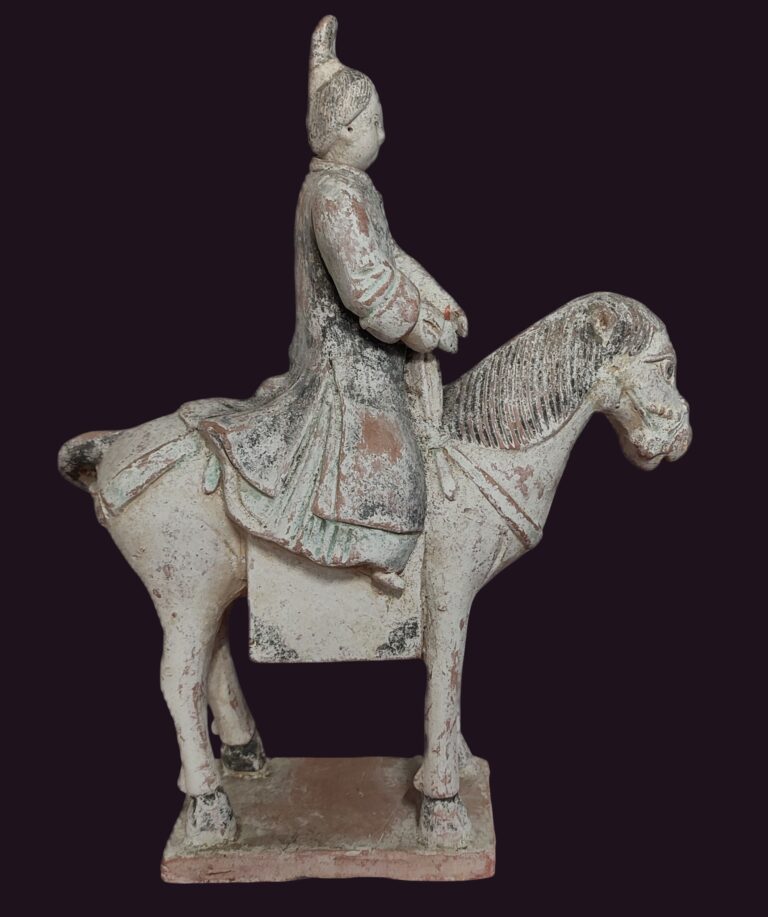
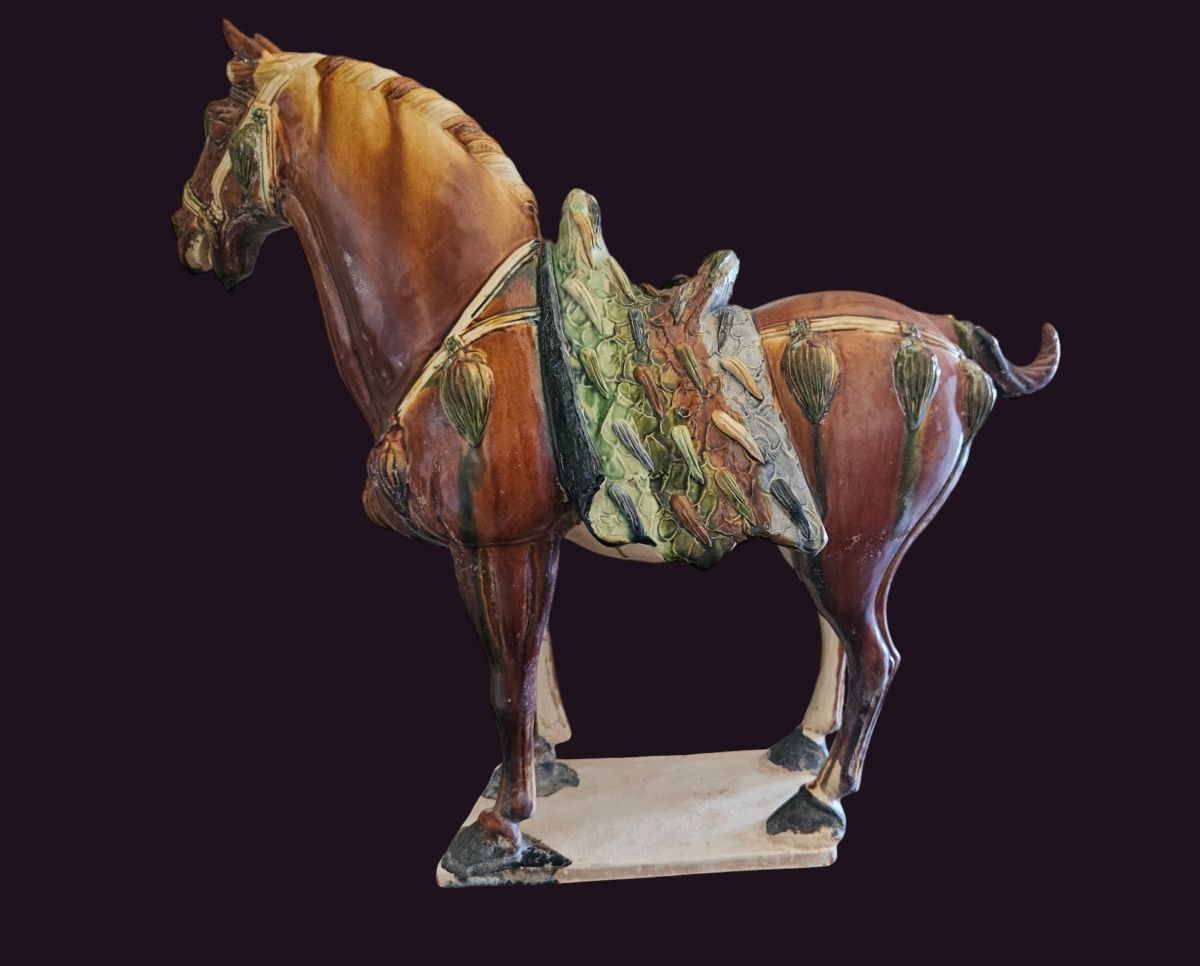
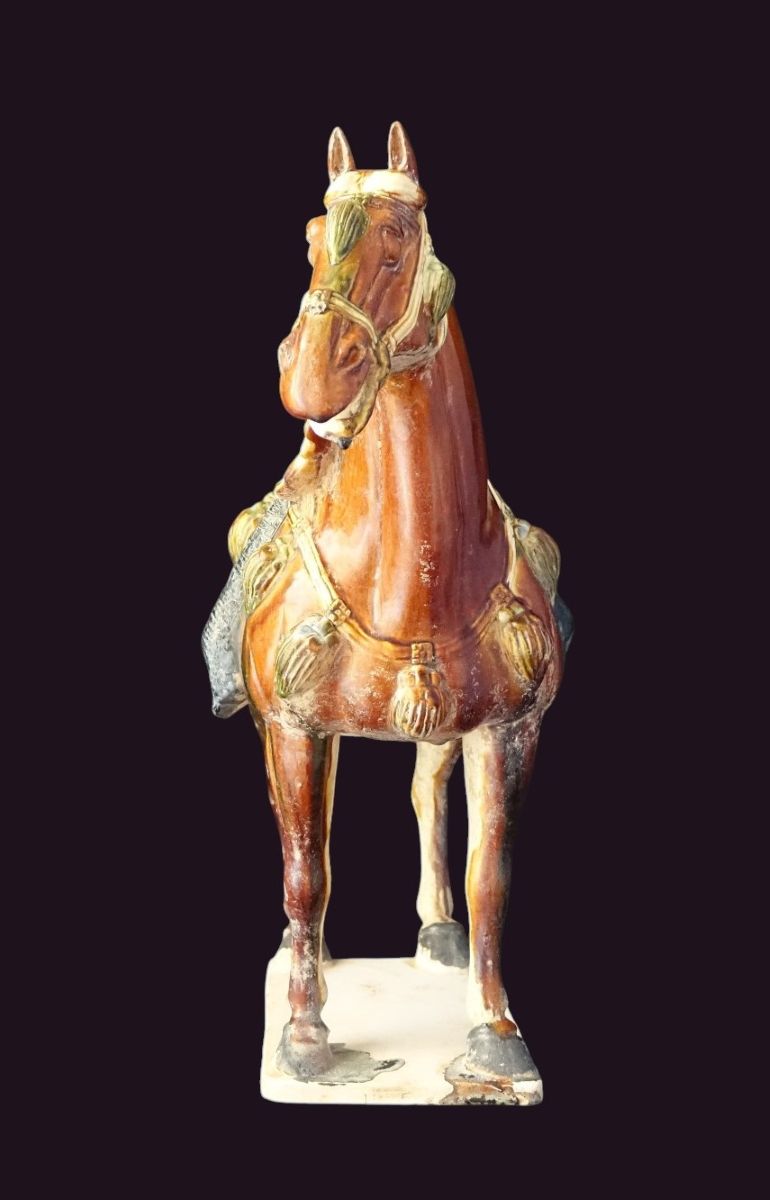
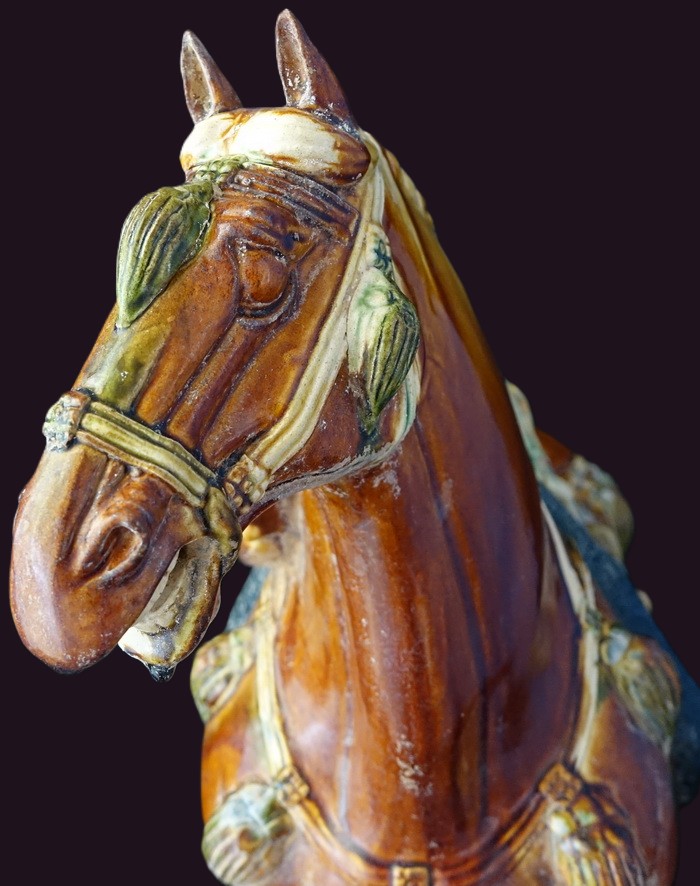
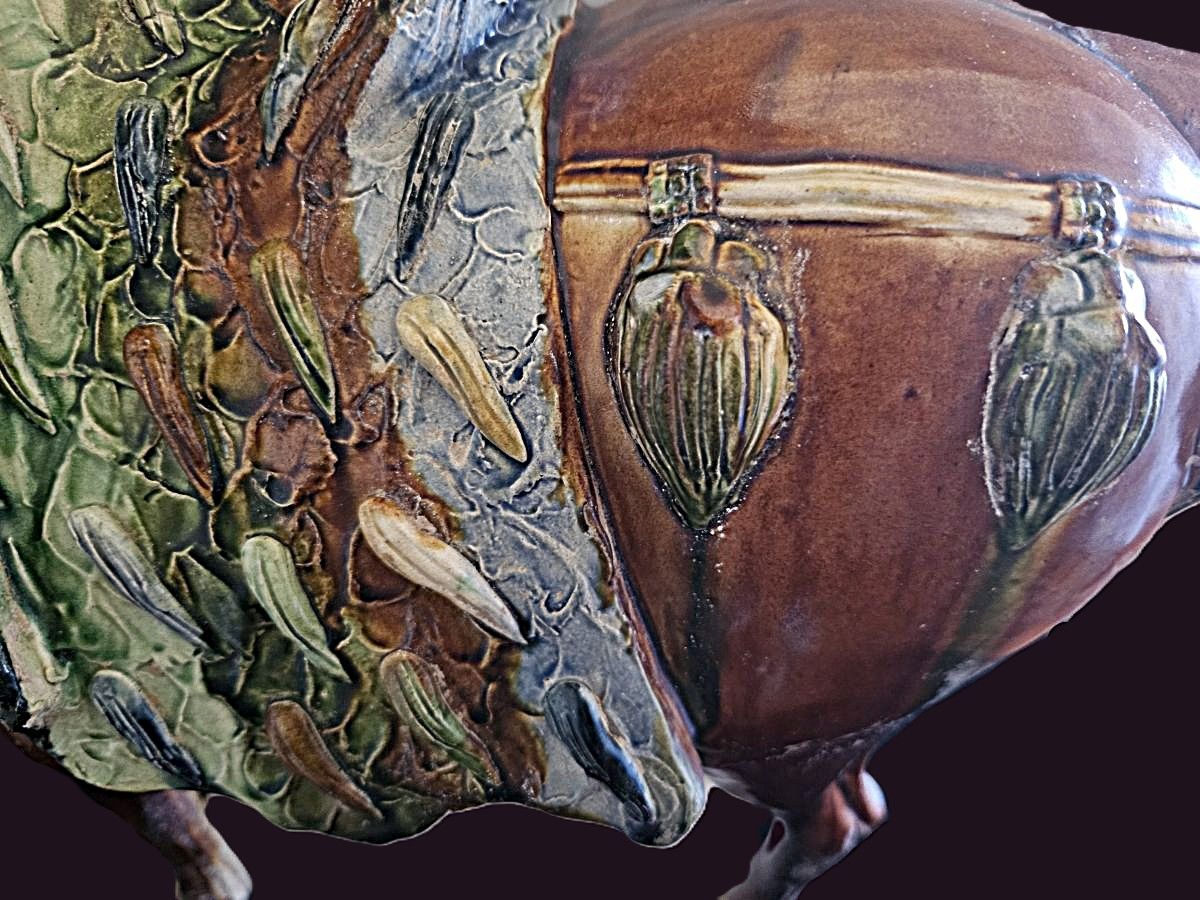
This is a striking Qing Revival tri‑colour Tang style horse representing one of the most fascinating artistic revivals in Chinese ceramic history. While inspired by the iconic tomb figures of the Tang dynasty (618–907 CE) renowned for their dynamic modelling and flowing amber, green, and cream glazes this piece belongs to the 19th‑century resurgence of interest in Tang aesthetics during the late Qing dynasty.
By the mid‑1800s, workshops in northern China began producing sancai figures once again, drawing on archaeological discoveries, antiquarian enthusiasm, and a growing domestic and international market for “Tang‑style” art. These revival pieces were not mere copies, they were reinterpretations, created with the technical confidence of Qing potters and the vivid, saturated glazes made possible by later kiln technologies.
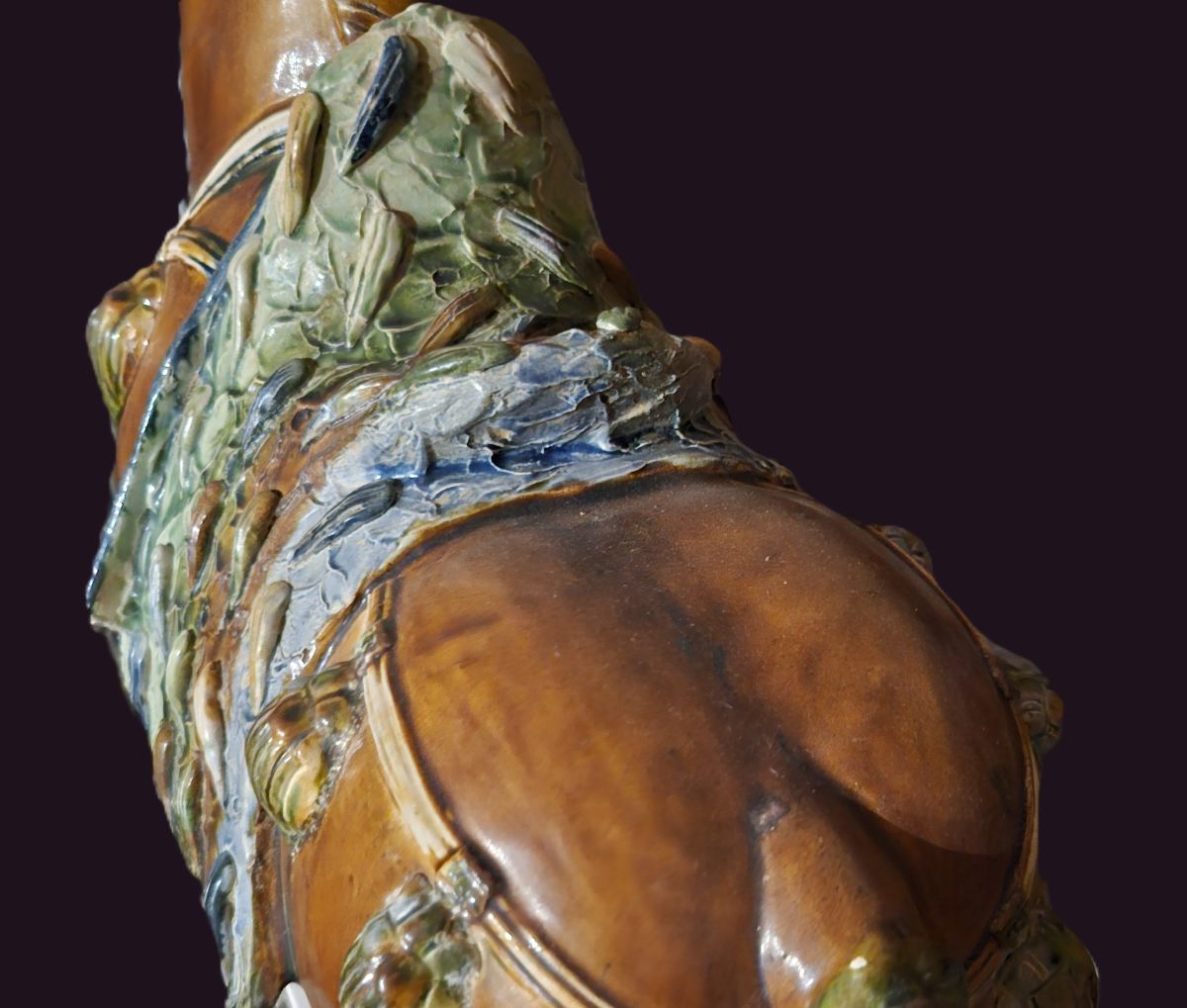
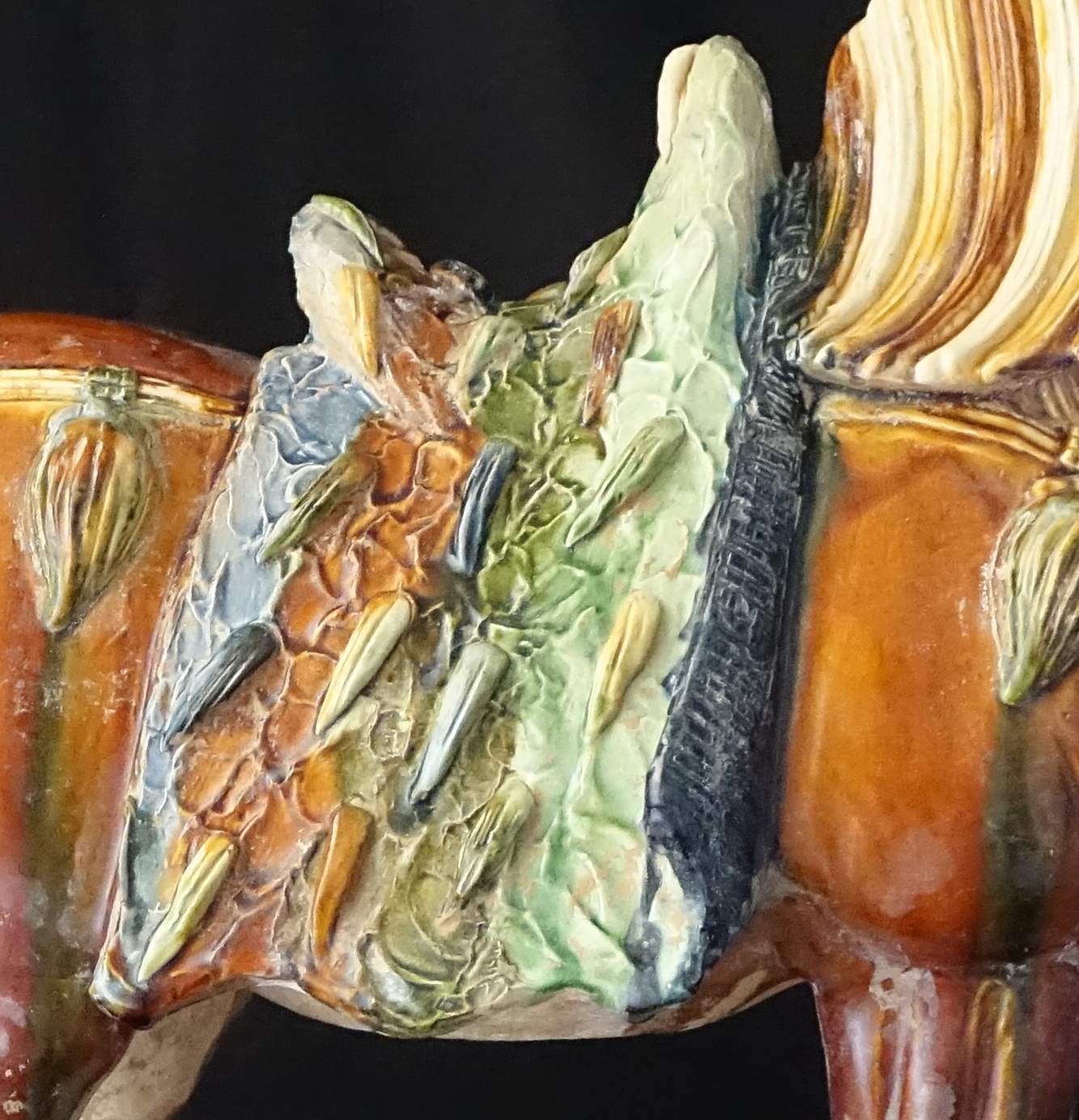
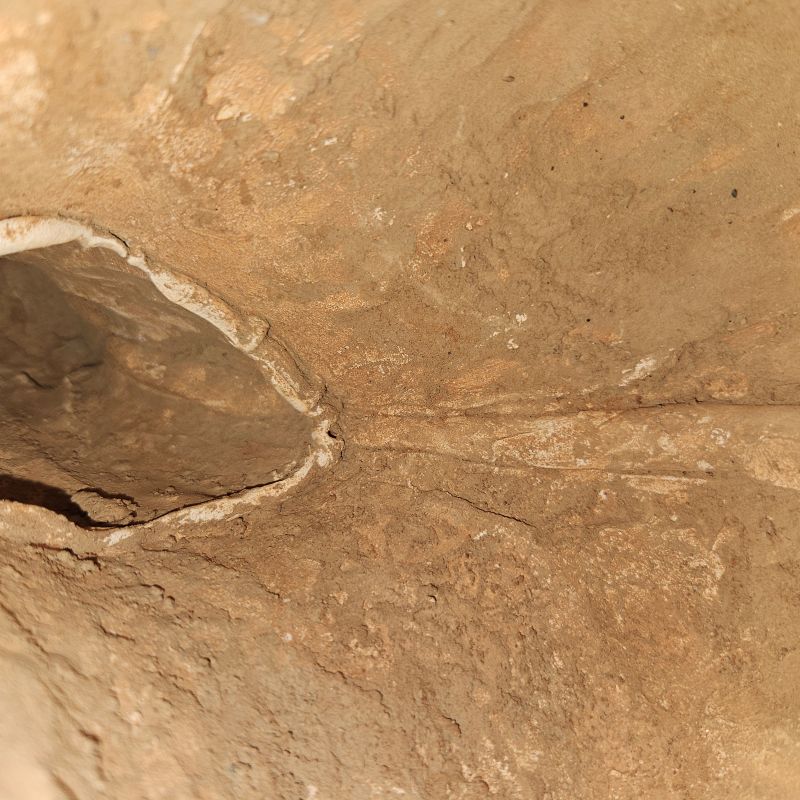
This tri coloured horse exemplifies this revival tradition. Its bold palette, glossy glaze surface, and hand‑modelled construction reflect the craftsmanship of Qing artisans who sought to honour Tang forms while appealing to 19th‑century tastes. The figure’s sectional construction, expressive modelling, and richly coloured tri colour/sancai glazes place it firmly within this celebrated period of artistic renewal.
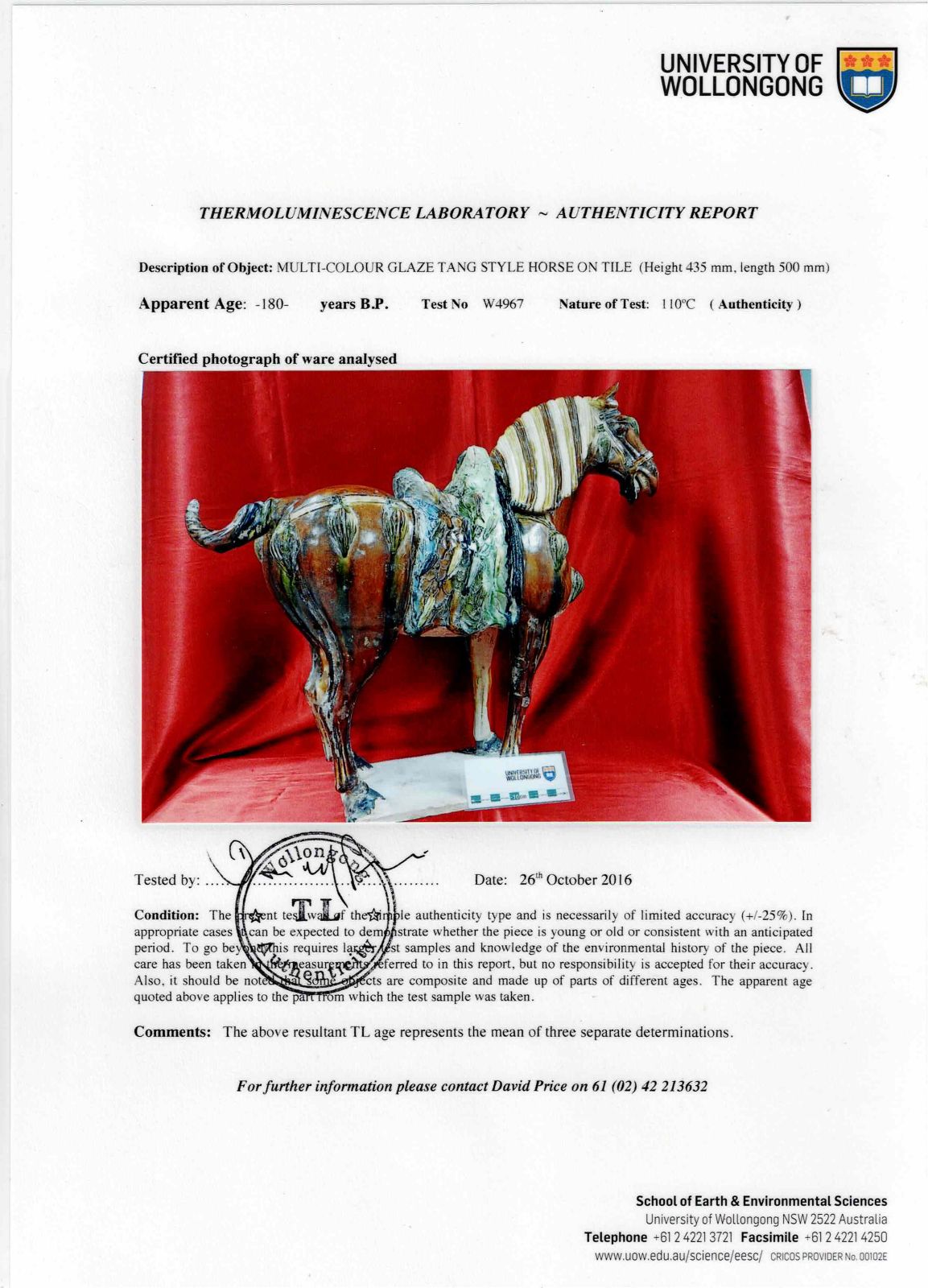
Thermoluminescence analysis confirms an approximate firing date of c. 1840, situating the piece at the heart of the Qing dynasty’s sancai renaissance. Today, such works are valued not only for their beauty but also for their role in the revival and reinterpretation of China’s classical ceramic heritage.
This horse stands as a testament to the enduring legacy of Tang artistic ideals and the Qing dynasty’s deep engagement with its own cultural past.
SPECIFICATIONS:
- AGE: TL Tested with certificate (Qing Dynasty Approx. 1840 AD) -25+
- HEIGHT: – 43.5cm
WIDTH:– 18.5cm
LENGTH: – 50cm
WEIGHT: – 5.25 Kg. - #440b
Qing Revival Tri Colour Tang Style Horse
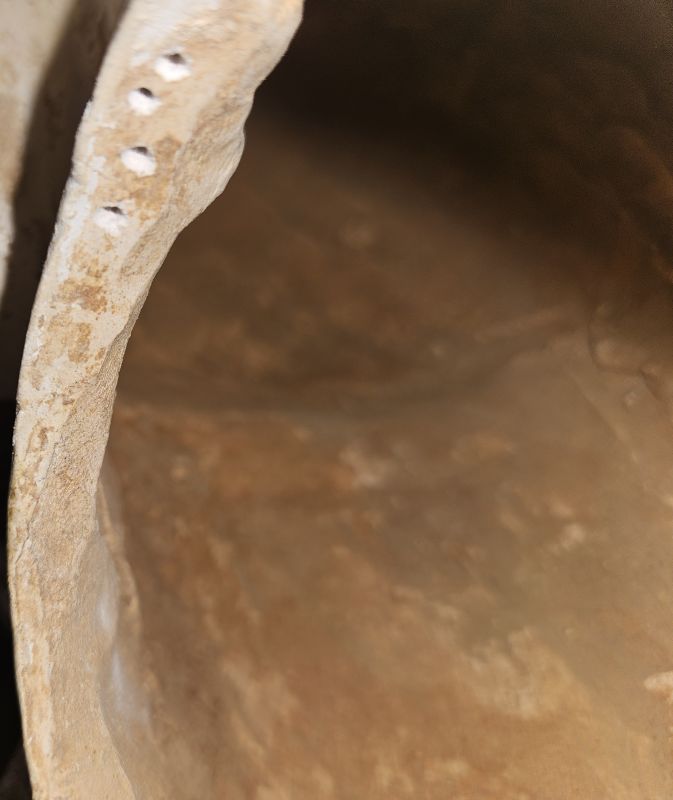
Although inspired by ancient Tang tomb figures, Qing‑dynasty revival tri colour wares were never intended as burial goods. Their occasional “burial‑like” characteristics arise from the materials and firing methods used in the 19th century, not from interment.
When the Qing imperial kilns (primarily at Jingdezhen during the Kangxi, Yongzheng, and Qianlong reigns) revived the Tang tri colour sancai aesthetic, they rarely made low-fired earthenware. Instead, they adapted the Tang look to a high-fired porcelain or stoneware body, creating a hybrid firing process.
This revival style, often referred to in archival contexts as susancai (plain or muted three-color) or “egg-and-spinach” (hupi ban / tiger-skin pattern), relied on a two-stage firing method that bridged high and low temperatures:
The Original Tang Dynasty Environment
Original Tang dynasty sancai (three-color) wares from the 7th and 8th centuries were low-fired earthenware.
- The Body: Made from secondary white clays, fired to a porous, friable state at around 900°C to 1000°C.
- The Glaze: A fluid, lead-fluxed glaze colored with copper (green), iron (amber/yellow), and occasionally cobalt (blue), melted during a second firing at roughly 800°C to 900°C.
Because the entire process stayed below 1000°C, original Tang sancai was porous, fragile, and intended almost exclusively as non-utilitarian mortuary goods (mingqi).
| Firing Stage | Component | Temperature & Environment | Purpose |
| First Firing (Primary) | The Clay Body (Biscuit) | High Fired 1200°C – 1300°C+ Reducing or Oxidizing | Vitrifies the kaolin and porcelain stone body, making it completely dense, resonant, and impervious to water. |
| Second Firing (Muffle) | The Lead-Fluxed Glazes | Low Fired 800°C – 900°C Oxidizing | Melts the metal-oxide glazes (applied directly onto the unglazed, fired biscuit) so they flow and mingle without melting the porcelain body. |
Technical Distinction: Glaze vs. Clay
While the visual effects such as splashes or drips, running glazes, and palette mimicked the low-fired Tang originals, the physical object was fundamentally a high-fired product. A true Tang piece yields a dull, muffled thud due to its low-fired, porous earthenware core.
Whilst the decorative stage occurred in a low-fired muffle kiln, the structural integrity of Qing Tang-style pieces required the high-heat environment of the main Jingdezhen porcelain kilns.