Ming Dynasty Female Ming qi Horse Rider
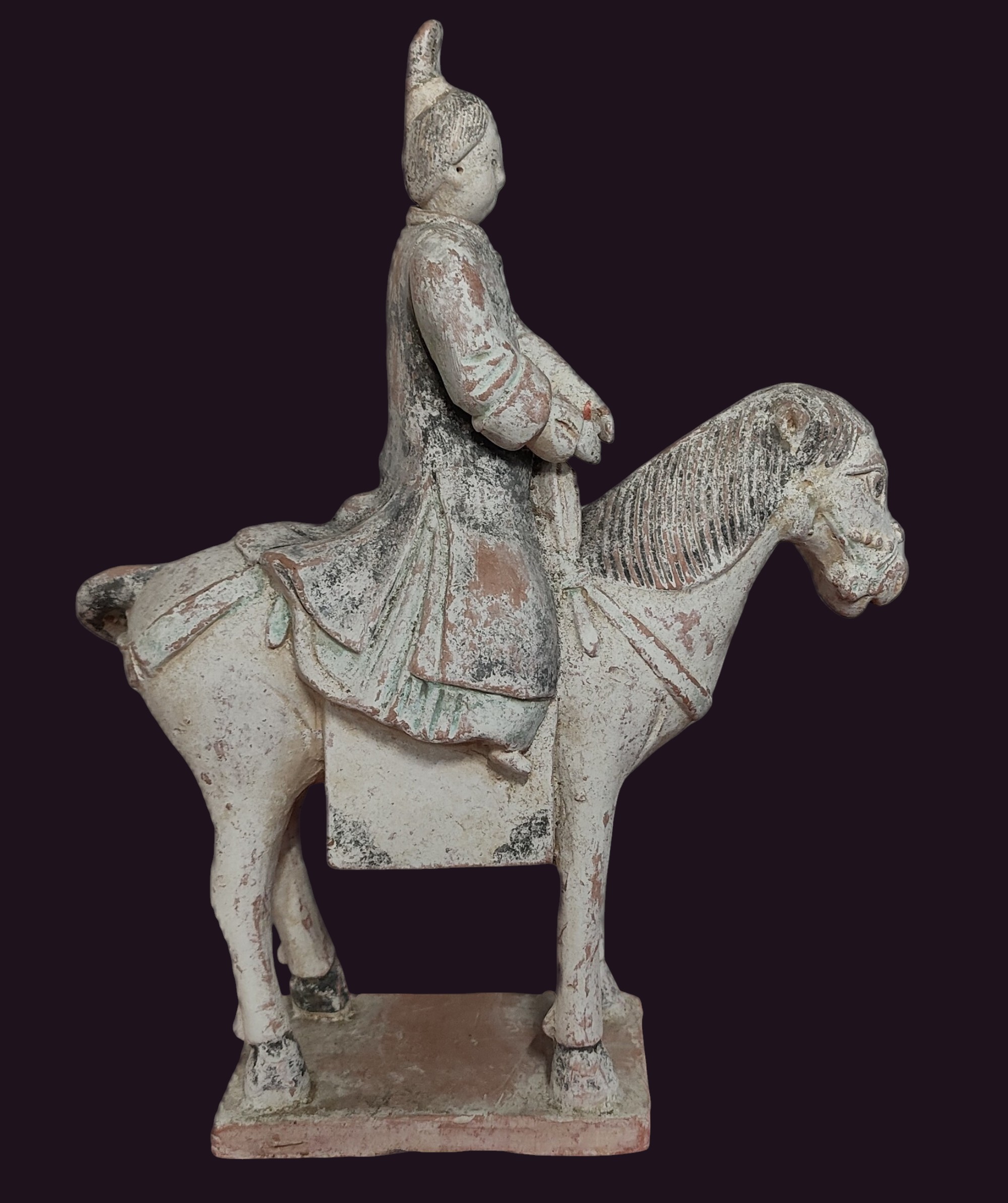

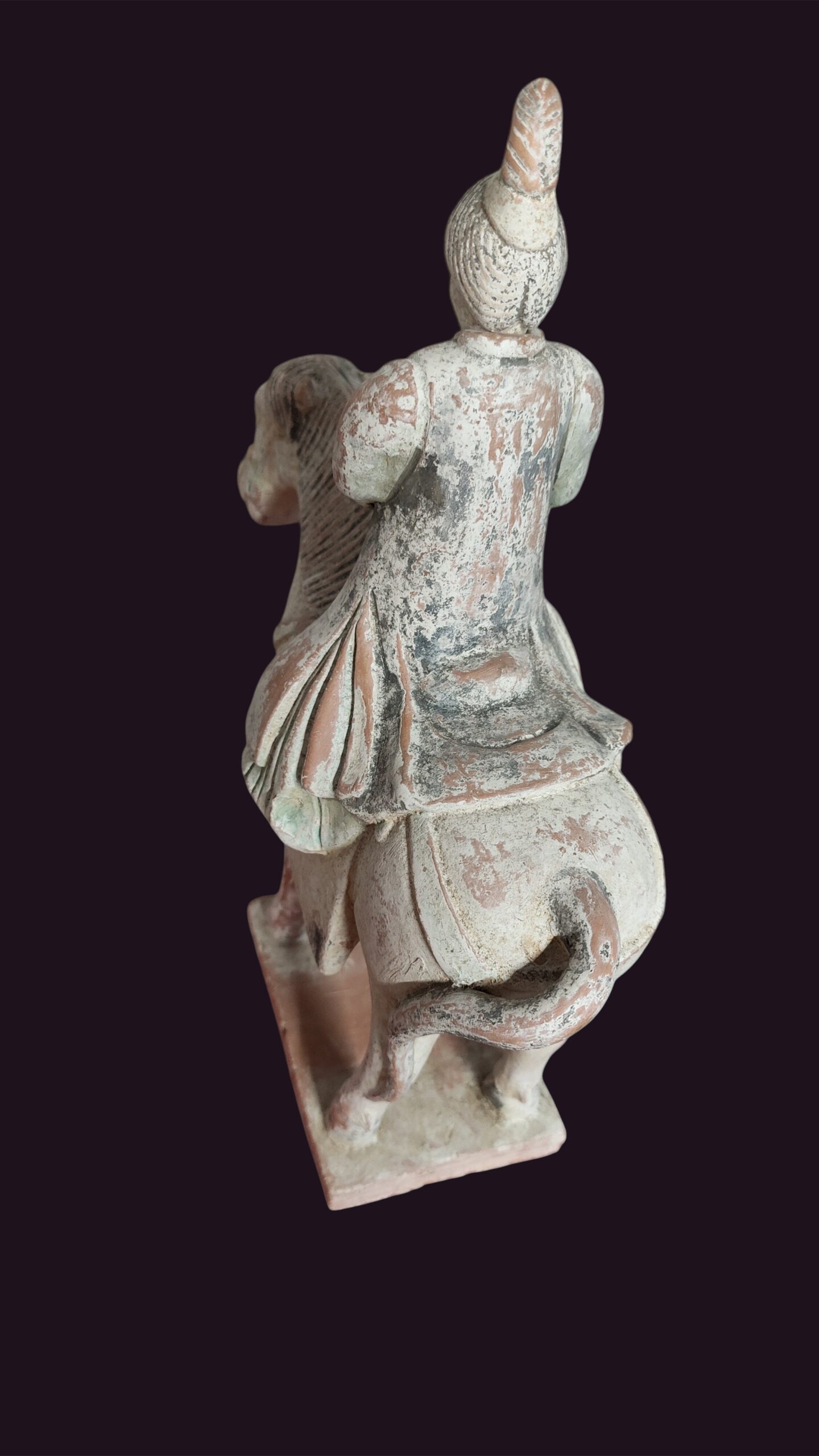

Ming Dynasty Female Ming qi Horse Rider
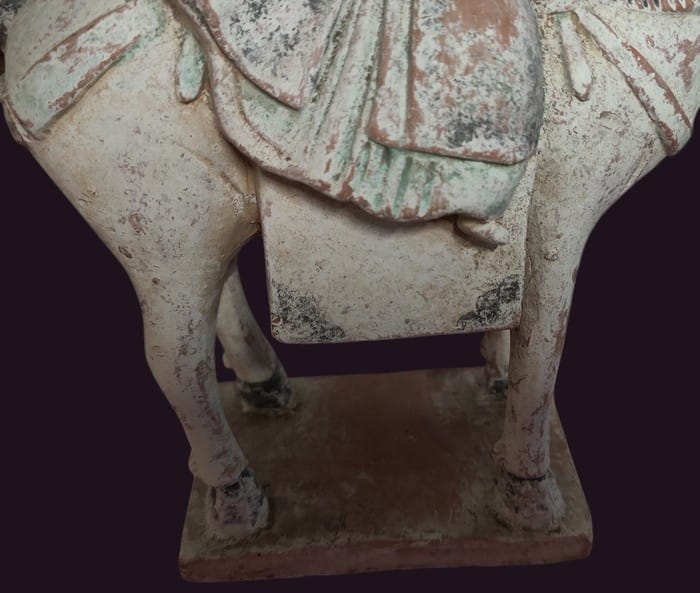
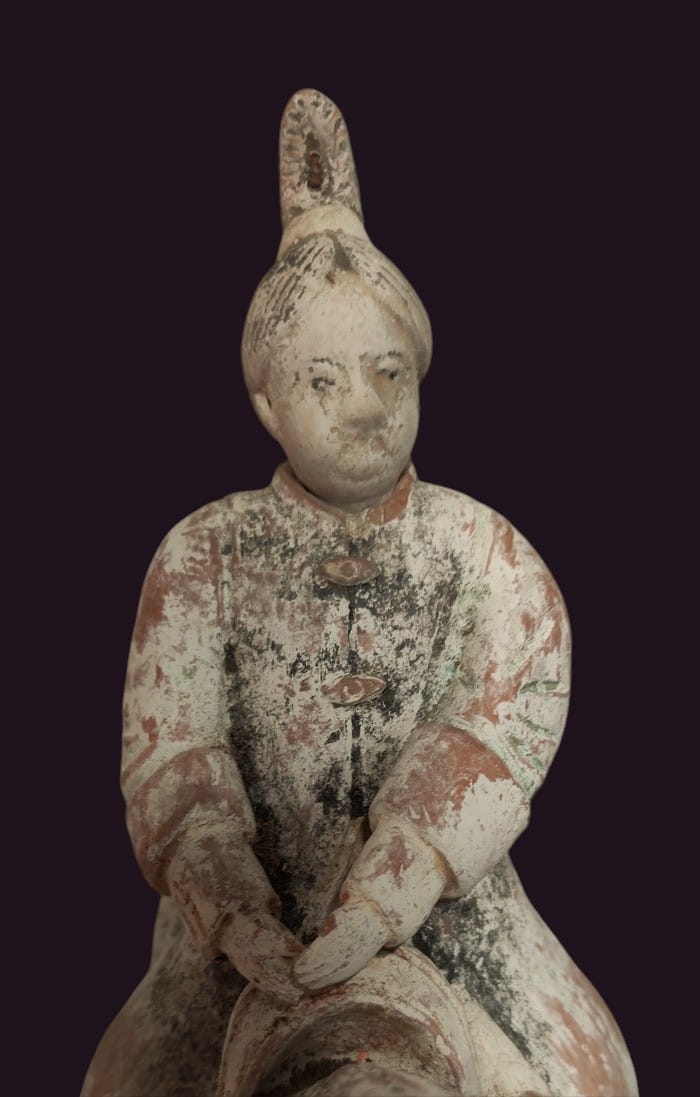
While equestrian tomb wares peaked in earlier periods, this Ming Dynasty Female Ming qi Horse Rider demonstrates the continuation of the tradition into the 14th to 17th centuries. Unlike the green and yellow lead-glazed figures common to the era, this piece retains a cold-painted finish with traces of original pigment over the white slip.
The production of ceramic tomb wares declined during the Song and Yuan dynasties (10th to 14th centuries) as paper substitutes became popular. The tradition saw a revival during the Ming Dynasty in the 15th century.
The practice of burying these miniature objects with the deceased gives an insight into the beliefs and customs of the time where it was considered death was an extension of life and a great deal of consideration was given to the departed to ensure that they enjoyed all the comforts of their earthly life.
SPECIFICATIONS:
- AGE: Early Ming
- HEIGHT: 34 cm
- LENGTH: 27 cm
- WEIGHT: 2.5 cm
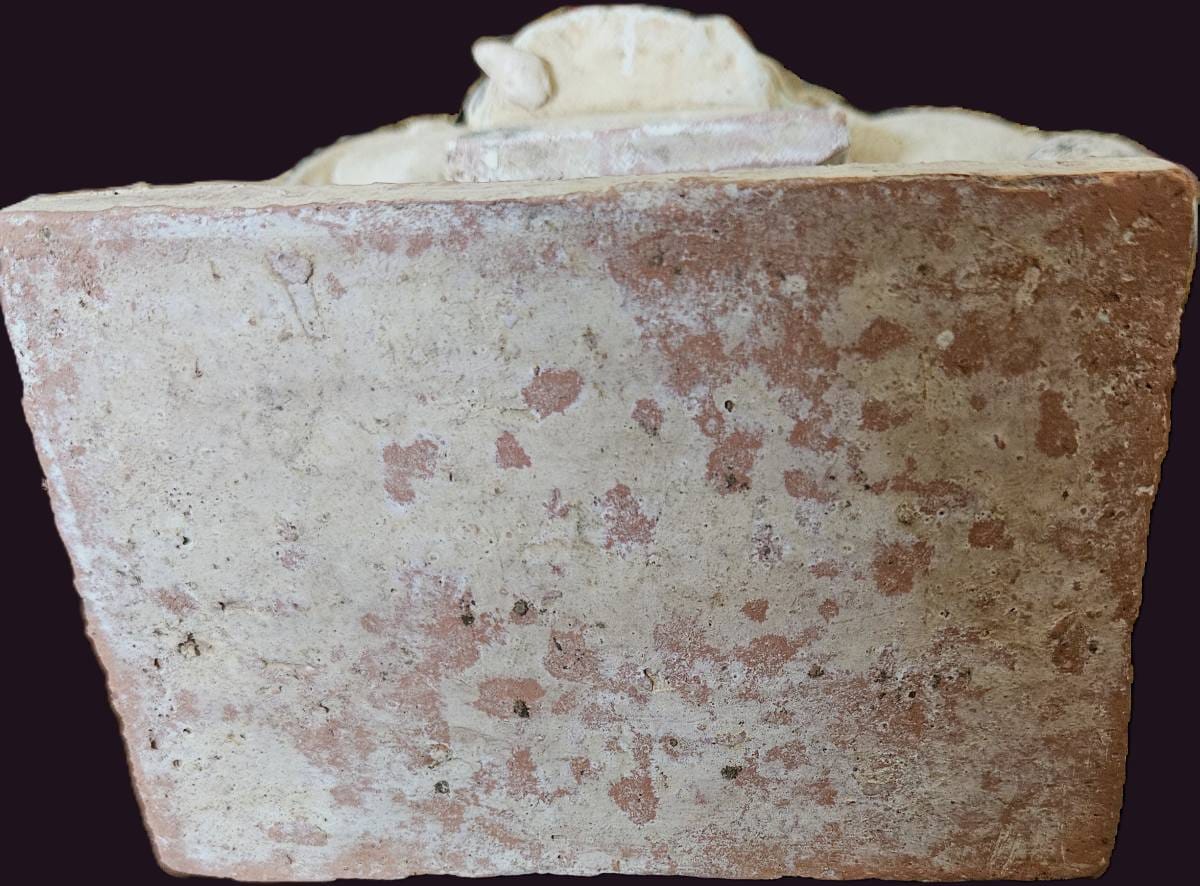
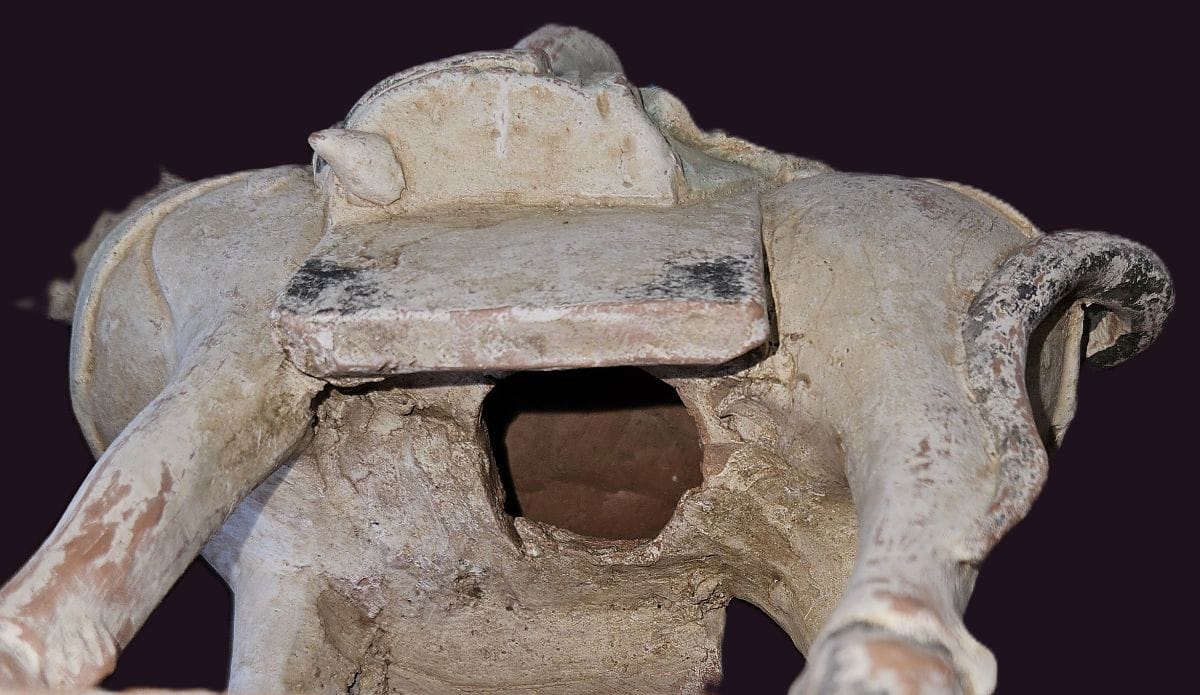
- CONDITION: Very good, missing reigns – head is removable
- #419B
Ming Dynasty Female Ming qi Horse Rider
Horses held immense military, political, and cultural prestige across Chinese history. In burial tradition (mingqi), including during the Ming Dynasty, horse figures served three primary purposes:
- Horses were costly assets associated with military command, elite rank, and aristocratic power. Placing horse figures in a tomb signaled the high social standing of the deceased.
- During the Ming Dynasty, mingqi horses were frequently depicted as part of grand honor guards, retinue parades, and official cavalcades meant to serve, protect, and escort the deceased in the afterlife.
- Beyond military utility, the fascination that the Chinese had surrounding horses was due to their high regard associated with a horse vitality, strength and speed, viewing them as noble mounts capable of carrying the soul whether female or male safely into the afterlife.