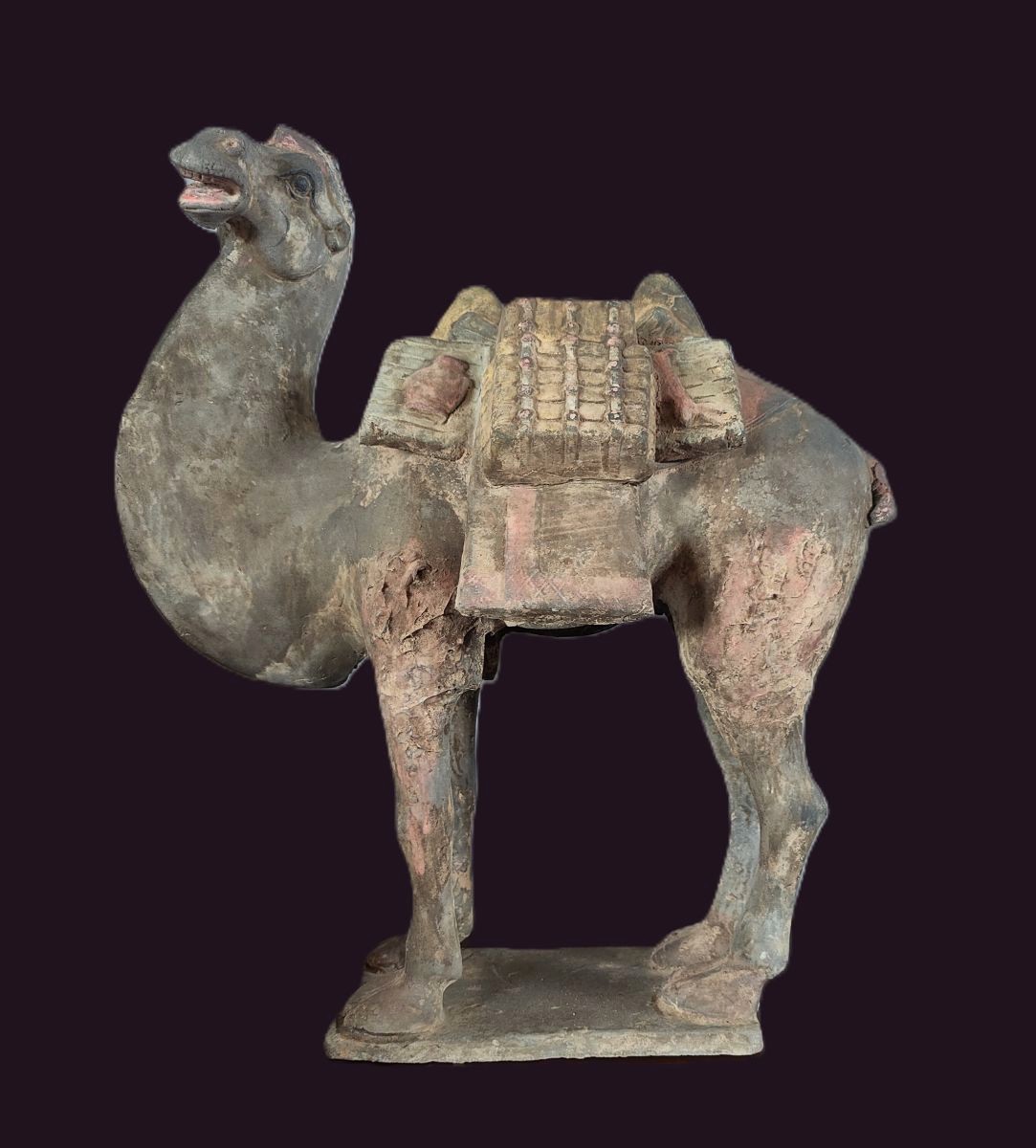
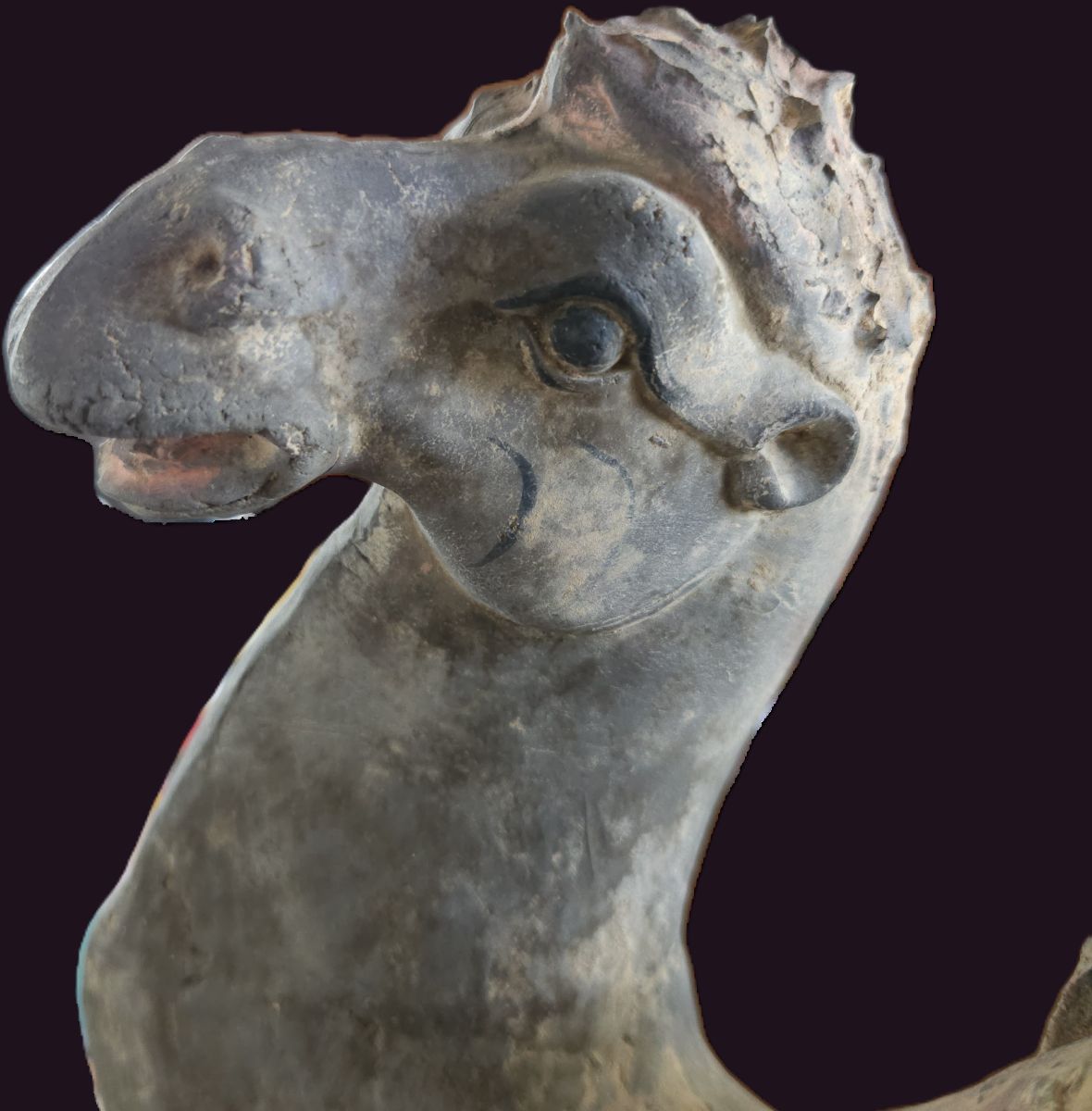
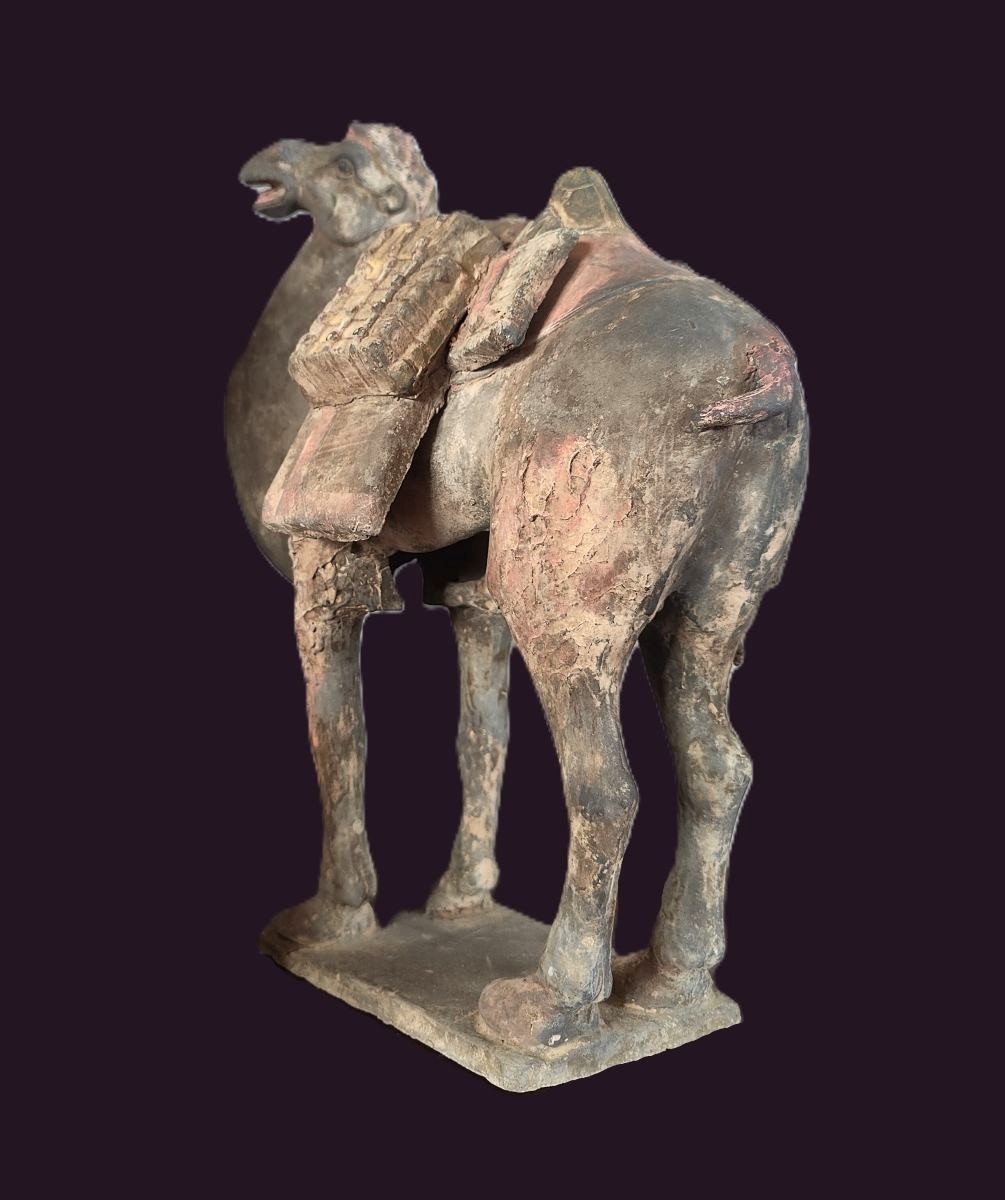
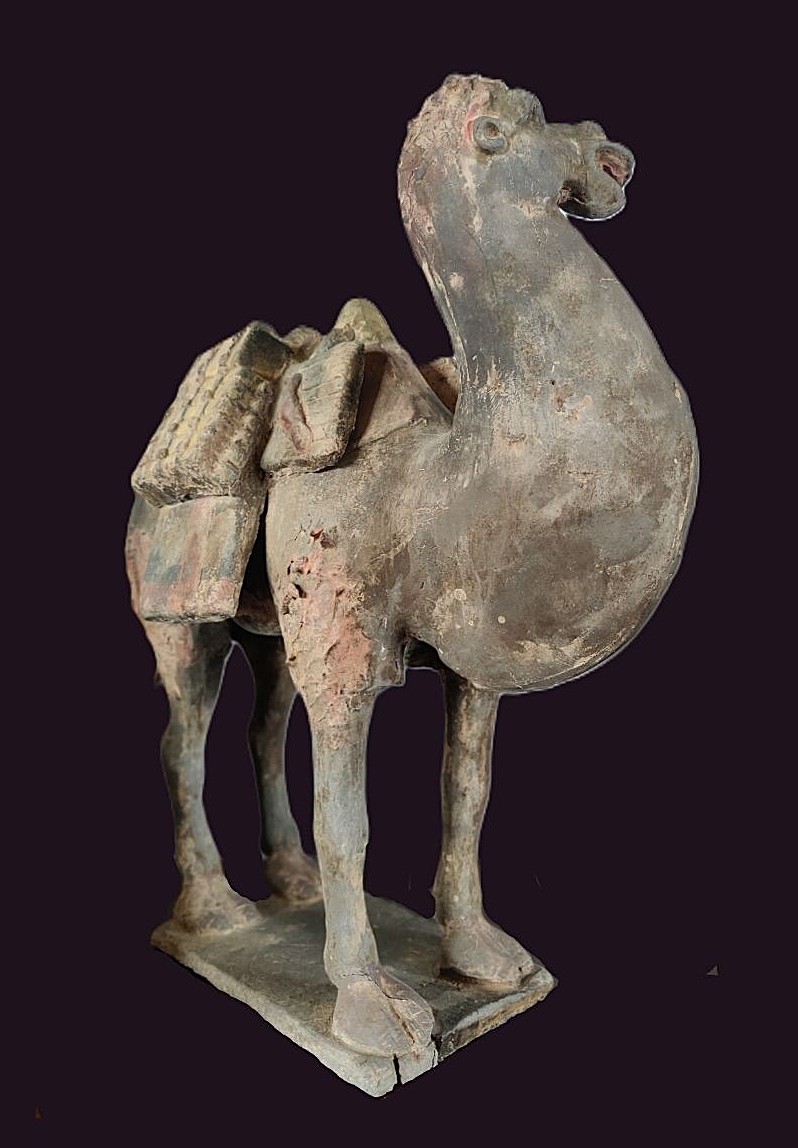
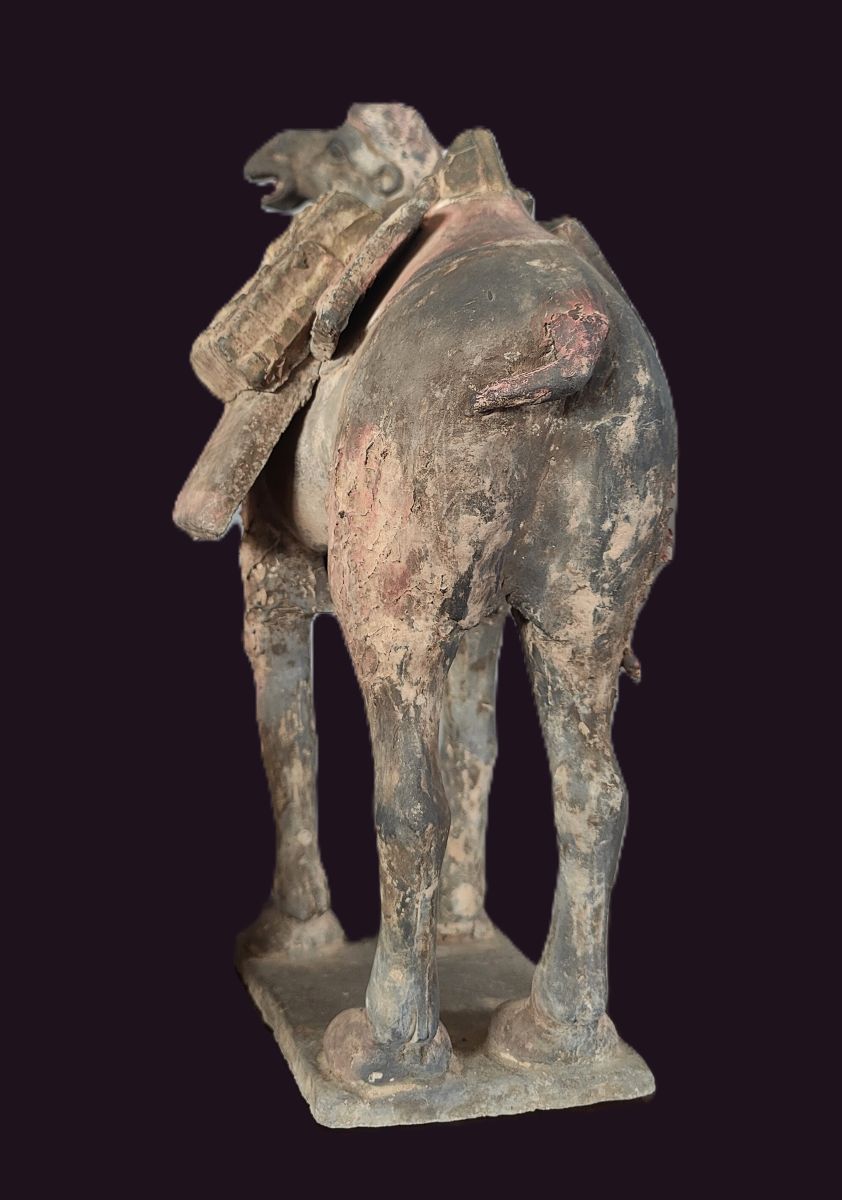
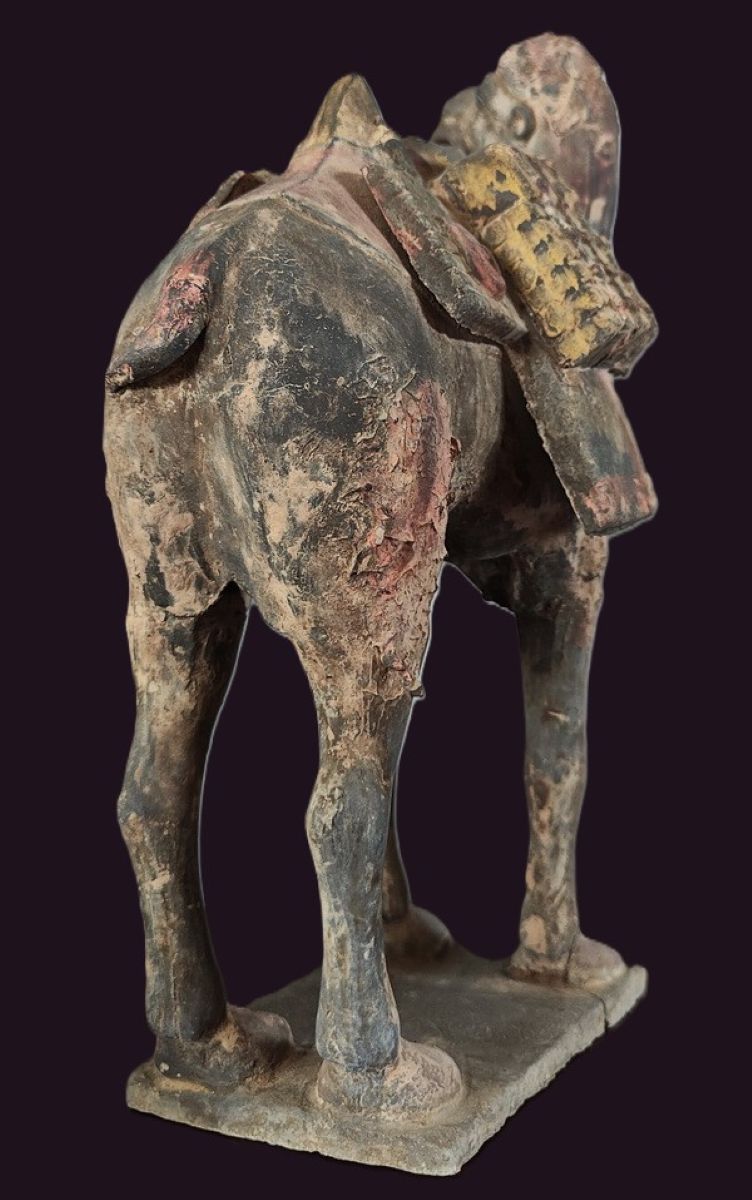
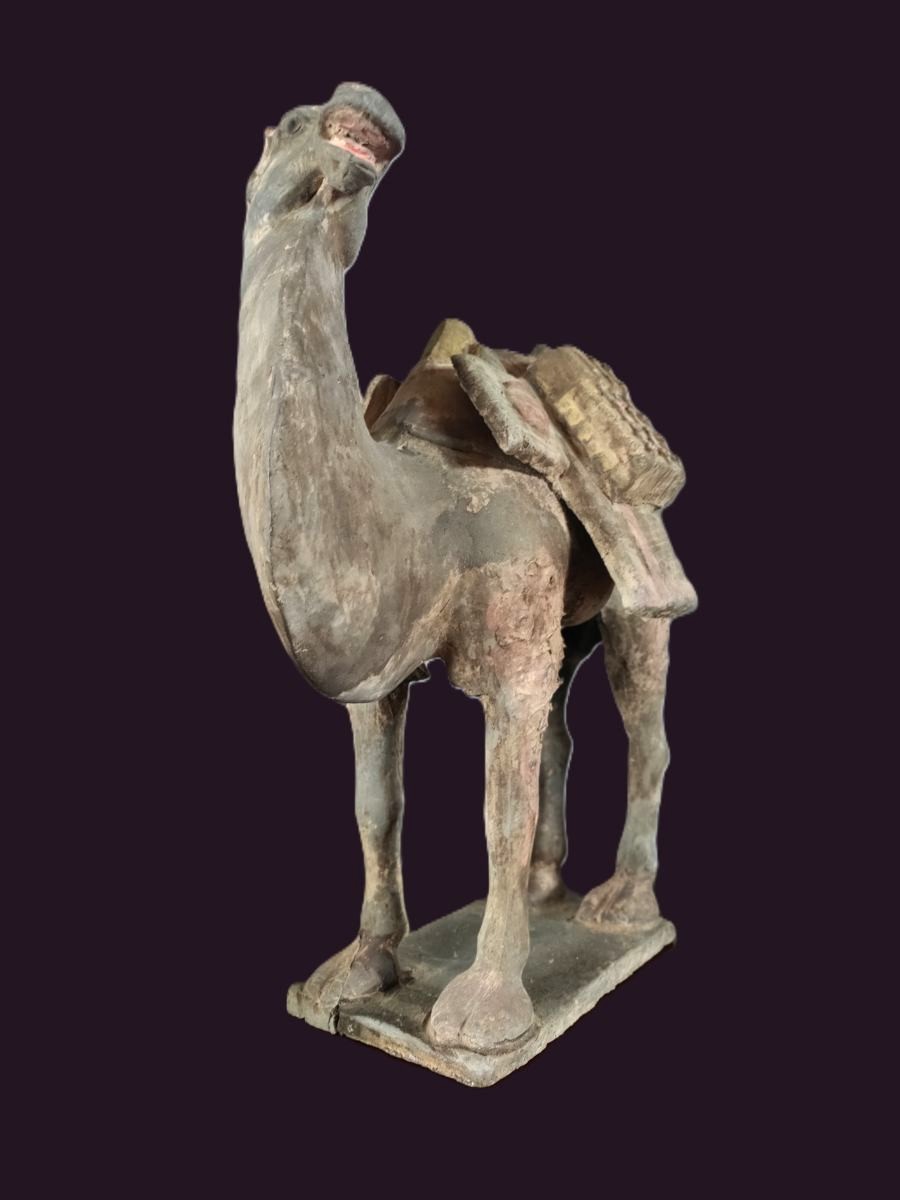
Northern Wei Dynasty 6th century Bactrian Camel
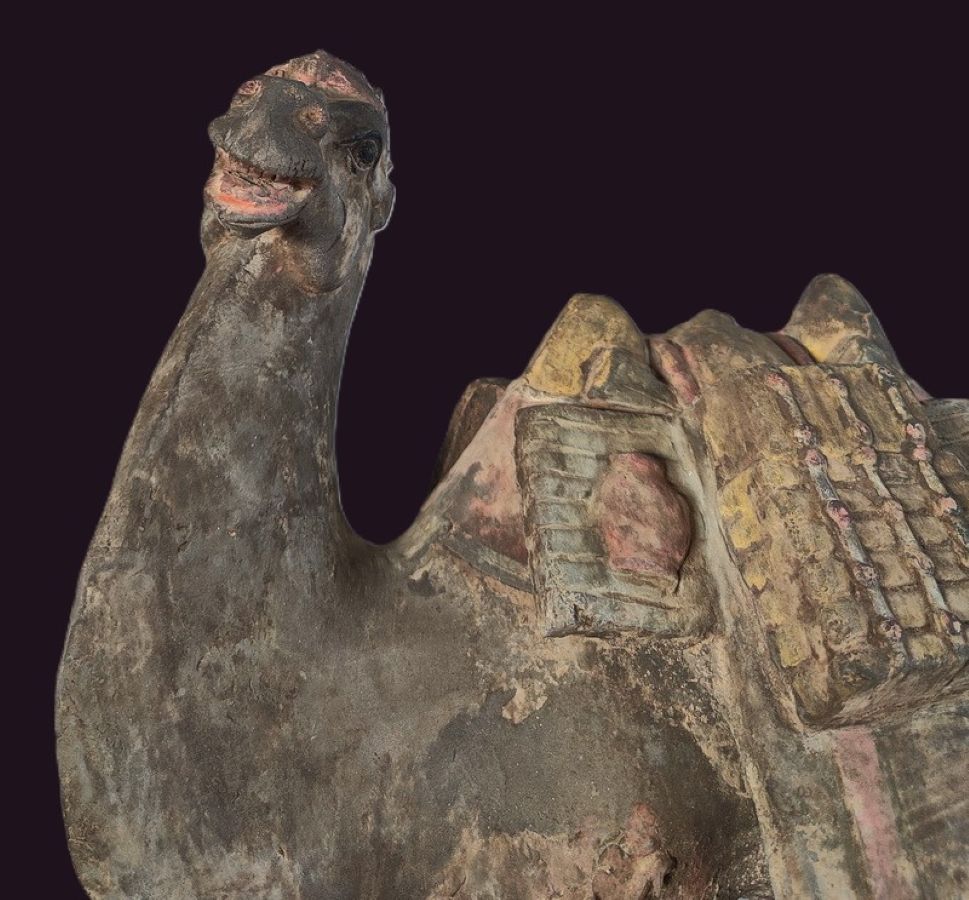
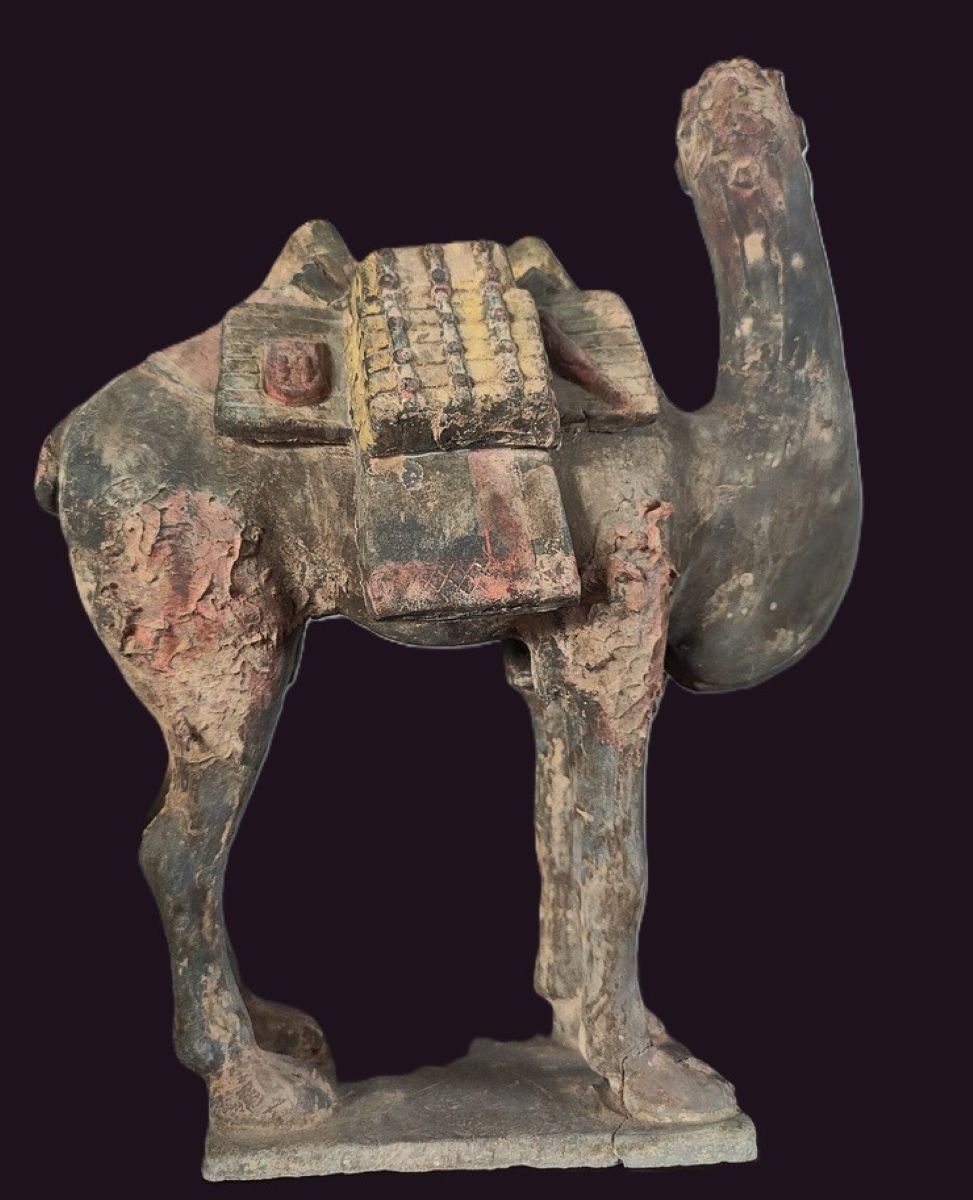
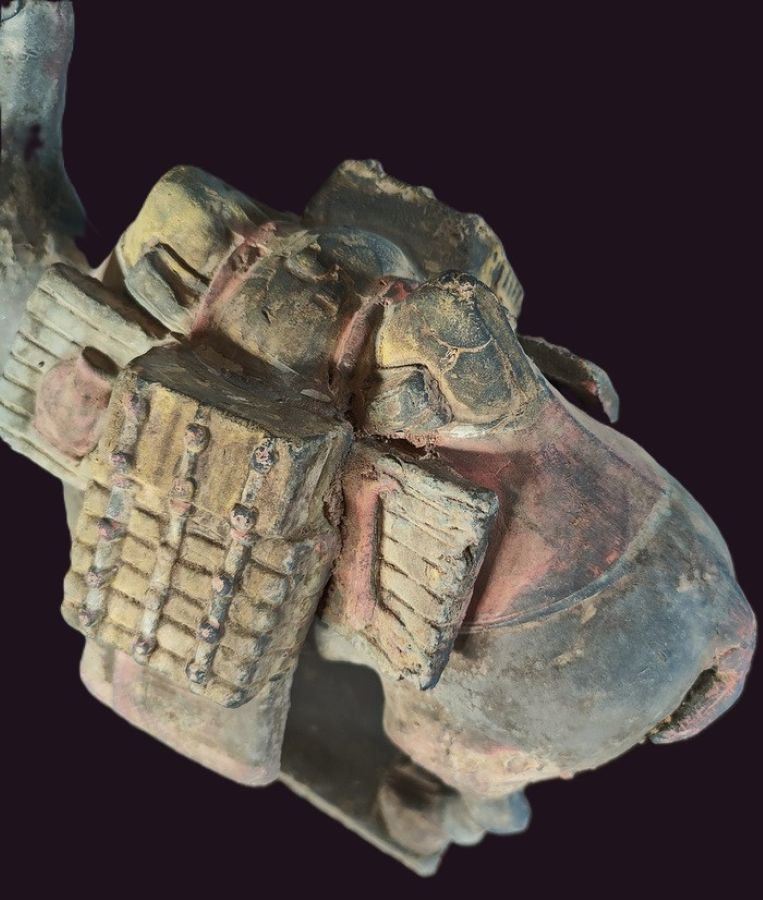
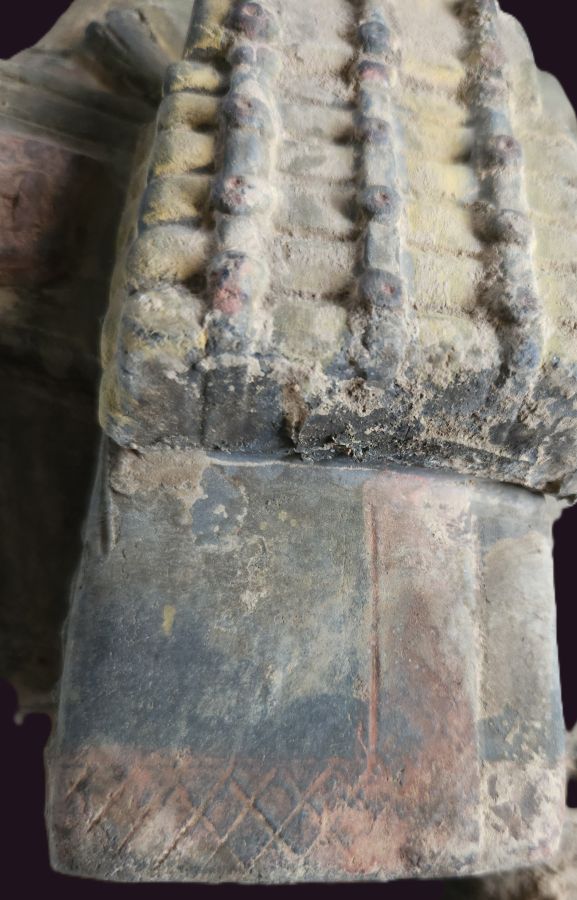
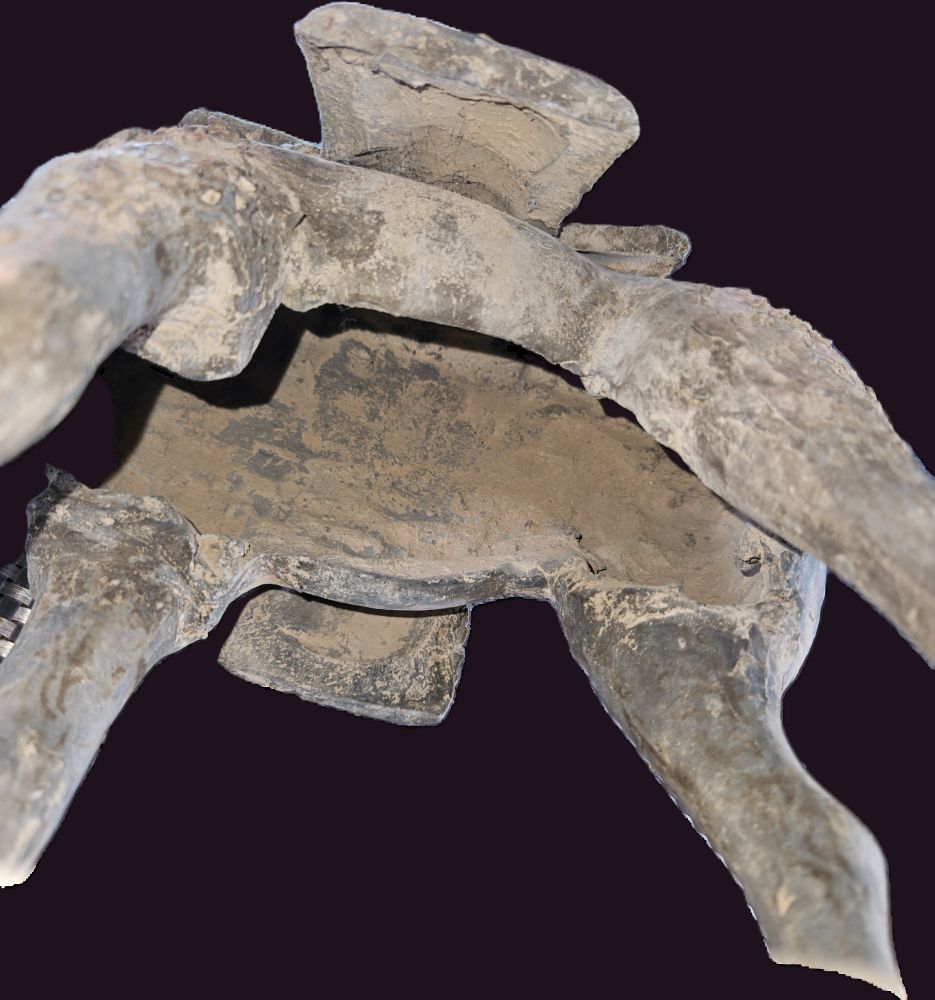
This Northern Wei dynasty 6th Century Bactrian Camel figure features a saddle with food items and containers secured to the saddle. It stilll bears remnants of original polychrome pigment.
Mingqi, or “spirit objects,” were interred with the deceased to recreate the comforts of life in the afterlife. While the practice of leaving grave goods dates back to the Neolithic, the creation of stylized earthenware animals including camels, horses, and oxen became a standardized tradition during the Han Dynasty. These figures were typically produced using molds, reaching their peak in variety and artistry throughout the Han and Tang periods.
These traditions were rooted in the belief that the human soul consisted of two distinct elements: the Hun, representing the intellectual or spiritual soul, and the Po, which governed the energy and movement of the physical body. After death, these elements were believed to separate. Because the Po remained with the physical body, the deceased were provided with the material comforts enjoyed during life.
SPECIFICATIONS:
- AGE: Wei Dynasty – 6th Century
- HEIGHT: – 42cm
- WIDTH:– 18cm
- LENGTH: – 36cm
- WEIGHT:– 4.10 kg.
- #1246
- CONDITION: The fracture on the corner of the base and the older bonding adhesive shown as a dark patch is not a perfect repair and was present when we purchased it.
Northern Wei Dynasty 6th century Bactrian Camel
The Role of Camels in Ancient China
Camels, like horses, served as essential modes of transport in ancient China and were integral to the movement of goods along the Silk Road linking East Asia with the Middle East. Their utility extended beyond commerce. By the 1st century BCE, camels had become highly valued by both the Han and later the Tang dynasties, particularly in their diplomatic and military engagements with the Xiongnu and other nomadic groups of the eastern Eurasian steppes.
During these early periods, camels were regarded as among the most prized animals to capture during military campaigns. Their capacity to carry substantial loads, endure long journeys across mountainous and arid landscapes, and survive extended periods without water made them indispensable. Their ability to consume and digest coarse vegetation unsuitable for horses also enhanced their strategic value. Camels also functioned as important commodities themselves, frequently exchanged for silk and other valuable goods.
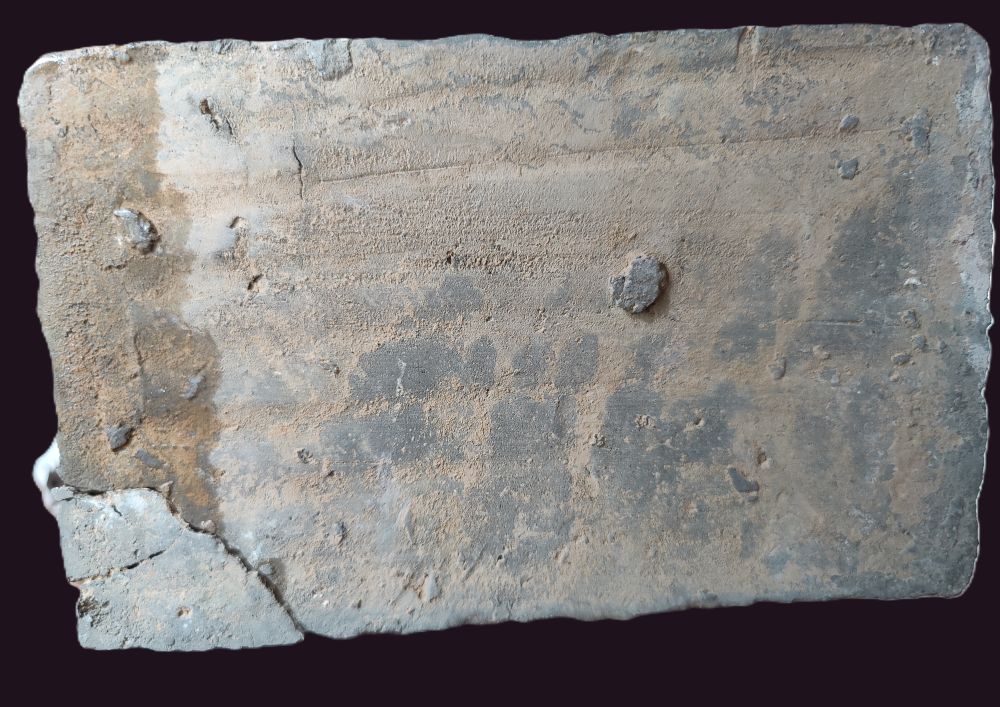
Base Surface and Tool Marks on this Northern Wei dynasty Bactrian camel
The texture on the flat underside of the plinth provides excellent clues about how the figure was finished before firing.
- Wire-Cut Marks: Fine, parallel horizontal striations running across the entire flat surface. These are wire-cutting marks. When the potter formed the base or pulled it off the work bench, they used a taut wire to slice the wet clay free. Over a thousand years ago, this was the universal method for flattening the bottom of figurines and tiles.
- Clay Color: The exposed ceramic body where the dirt has worn thin appears to be a dark gray or buff-gray earthenware. While many Tang figures from the northern Henan kilns use a white-to-buff clay, darker gray clay bodies were also widely used throughout the Northern Dynasties, Sui, and early Tang periods, depending on the specific kiln site and regional soil composition.
- Patination: The dirt on the base isn’t uniform; it is impacted into the microscopic grooves of the wire marks and the pitted areas of the clay. This deep-seated encrustation is difficult to replicate artificially, as modern fakes often show mud that sits loosely on top of a smooth, slip-cast base.
Similar pottery Ming qi Weoi Dynasty Camel
We have a small collection of Ming qi funerary Items such as a Tang Dynasty bull and cart, earthenware Ming Dynasty quadrangle house