Chinese Wedding Sedan Chair Circa 1880
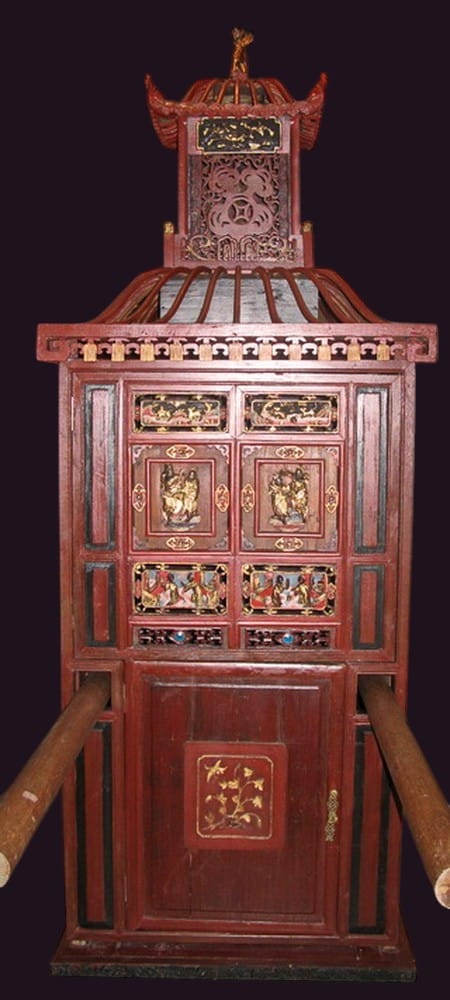
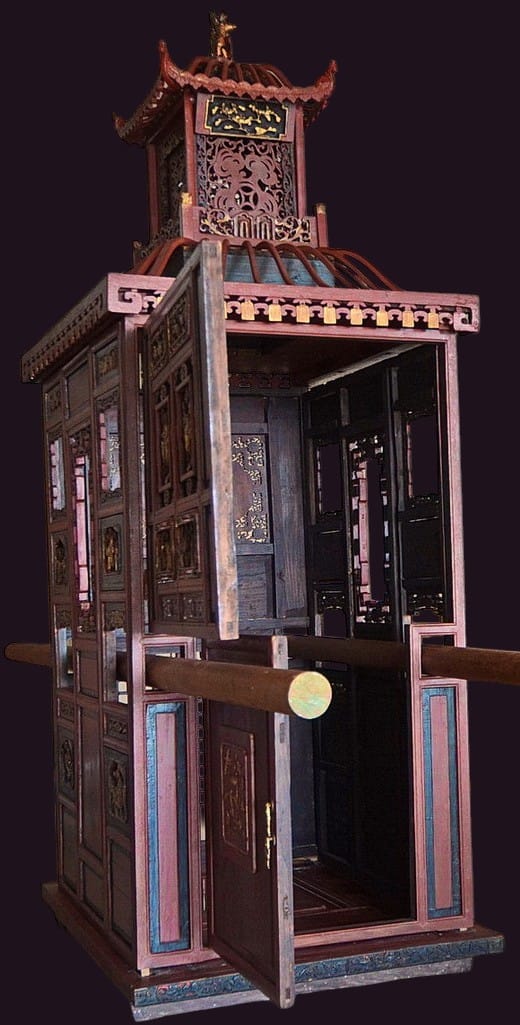


Chinese Wedding Sedan Chair Circa 1880
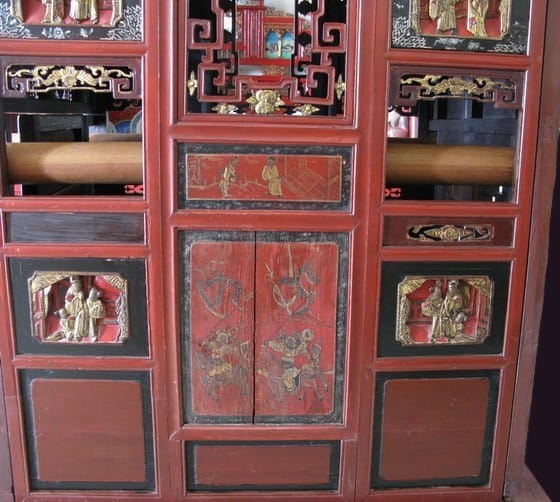
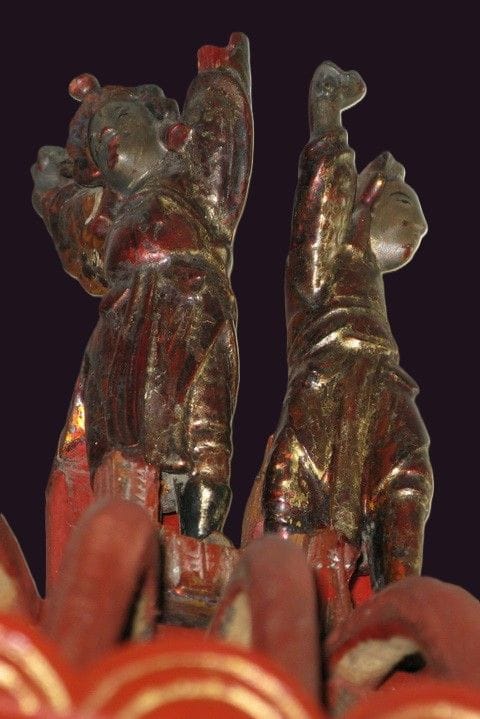
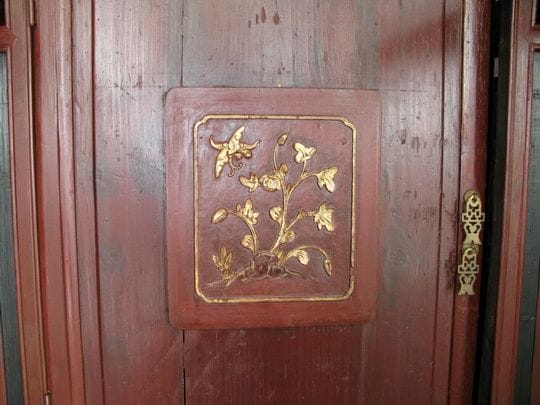
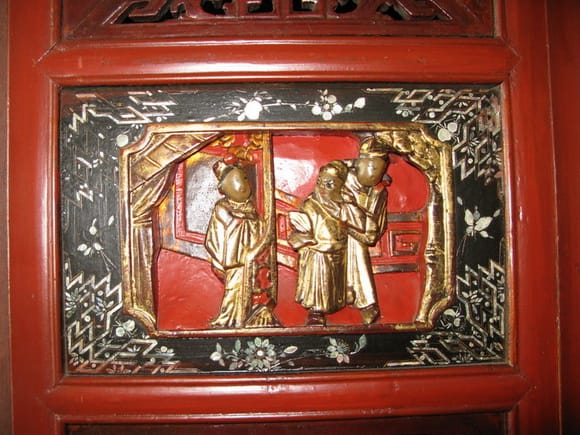
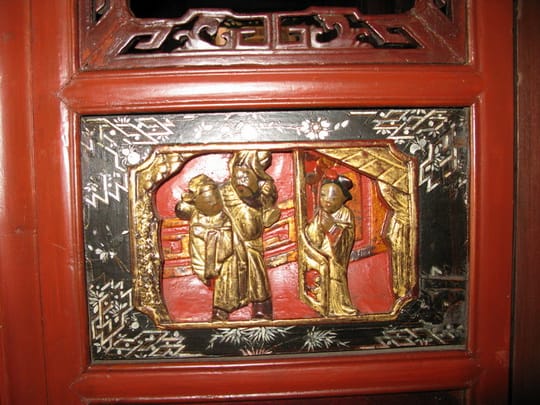
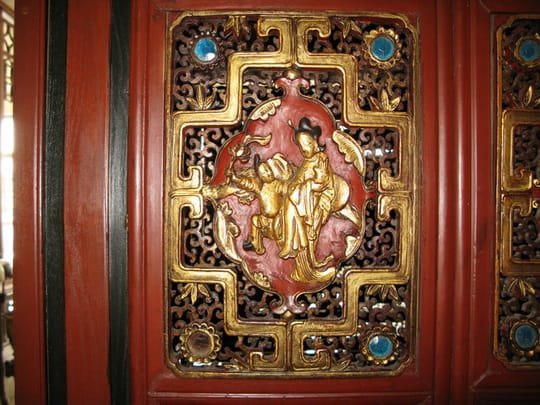
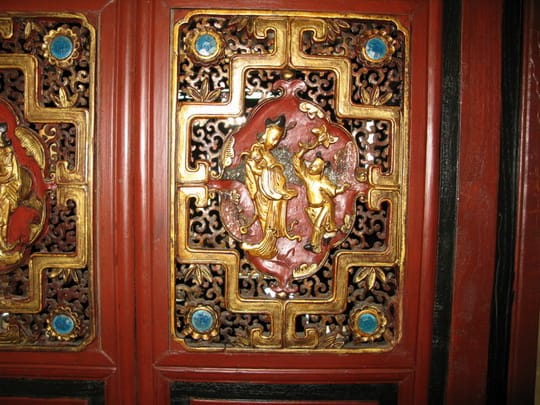
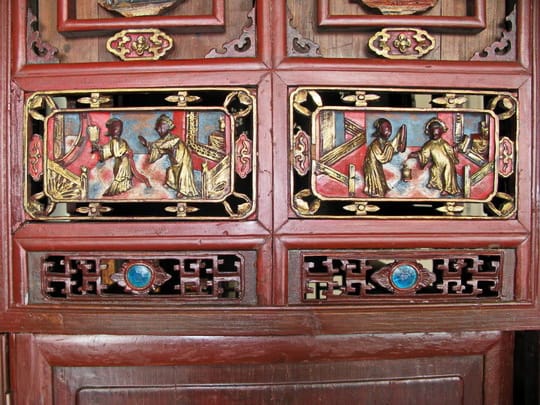
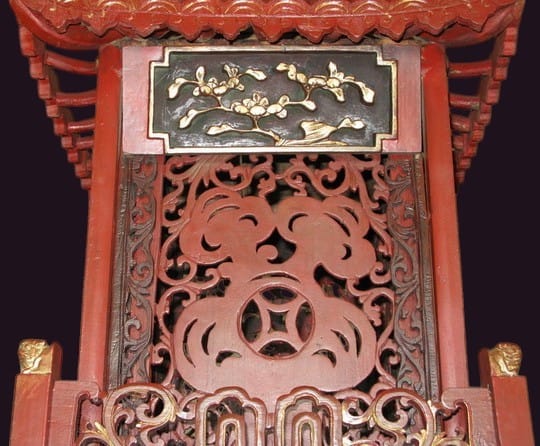
This late 19th-century Chinese wedding sedan chair (jiaoyu) offers a vivid glimpse into traditional bridal customs in the late 19th century. Carved with scenes of daily life. This vibrant red carriage served as the center of the wedding procession, transporting the bride from her family home to her groom’s household.
The journey was a grand public event. Led by the groom carrying gifts to the bride’s house, the procession returned through the streets accompanied by attendants, musicians, and a flurry of drums, gongs, and firecrackers. A young child often walked alongside the groom as a hopeful sign of future sons and family prosperity.
Before motorized transport, sedan chairs were a primary way to travel across China, as well as parts of Europe and the Middle East. For weddings, red was the essential color, symbolizing joy and good fortune. The richness of the carving and detail reflected the status of the bride’s family, with wealthier households commissioning elaborate, ornate carriages for the occasion.
SPECIFICATIONS:
- AGE: Circa 1880
- TOTAL HEIGHT: Over 2 metres
- WIDTH: 78 cm
- DEPTH: 109 cm front to back
- WEIGHT: Heavy
- CONDITION: Age related wear
- #400
Chinese Wedding Sedan Chair Circa 1880
The origin of the Chinese shoulder carriage (jiaoyu) dates back to the Xia Dynasty. A famous early depiction appears in the Jin Dynasty masterpiece Admonitions of the Court Ladies (Nüshi Zhentu), attributed to Gu Kaizhi, which captures Emperor Cheng of the Western Han Dynasty being carried in a palanquin.
Another iconic portrayal appears in Yan Liben’s Tang Dynasty painting Imperial Carriage (Bunian Tu), showing Emperor Taizong seated on a sedan. Despite these royal uses, sedan chairs remained exclusive to elite circles during the Tang period. It was not until the Song Dynasty that they became a widespread, everyday mode of urban transport.
Zhang Zeduan’s famous Northern Song scroll, Riverside Scene at Qingming Festival, documents this shift, showing numerous sedan chairs navigating the busy streets of Bianliang (Kaifeng). The core structural design of late Qing Dynasty chairs, including this sedan chair built on the same principles as those built during the Song Dynasty. By the Ming and Qing eras, larger sedan chairs were fitted with heavy side poles and yokes, allowing teams of four to eight porters to carry them comfortably.
Sedan chairs commonly used by people during those times were fitted with coloured curtains for privacy.