Horse-headed Yaksini Asvamukhi Bronze Disc



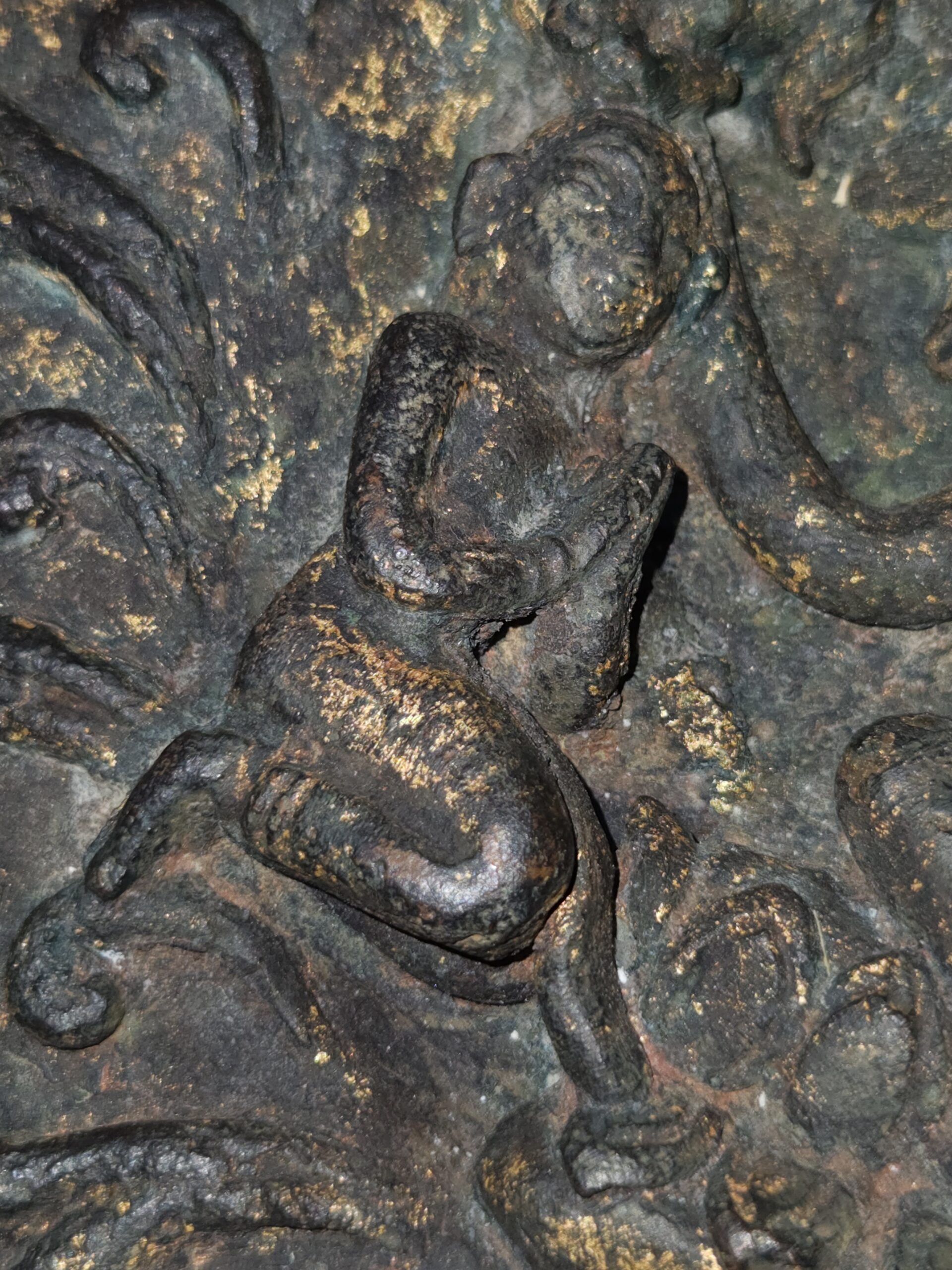
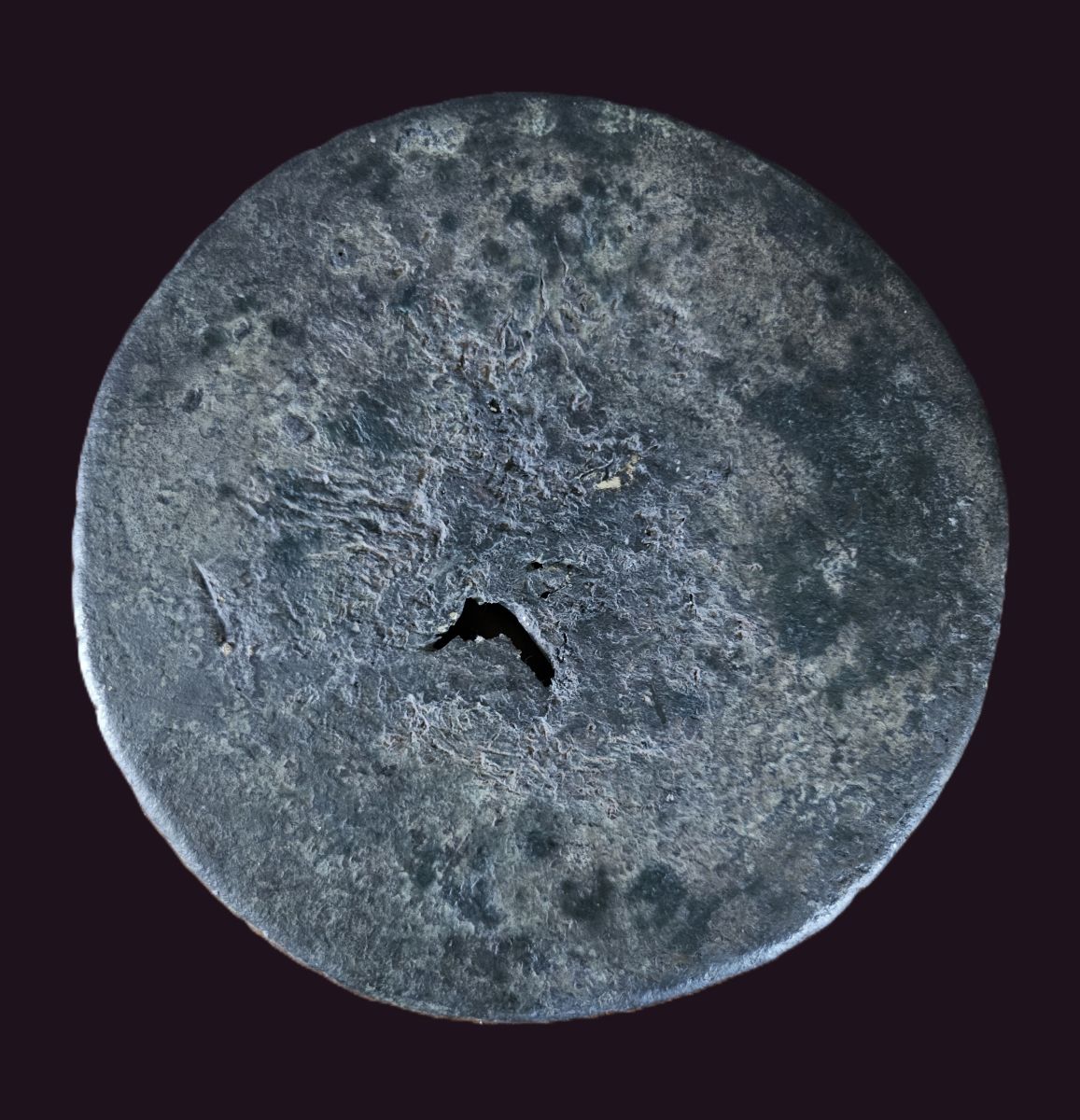
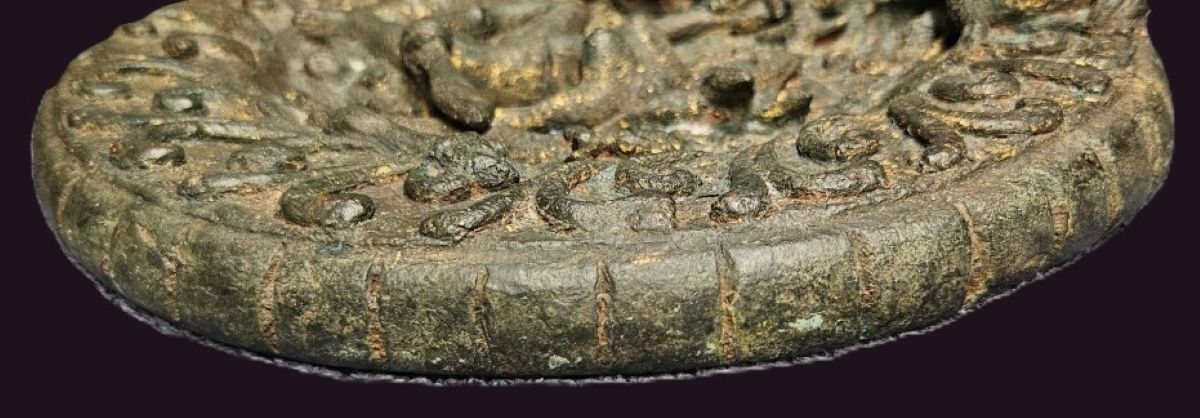
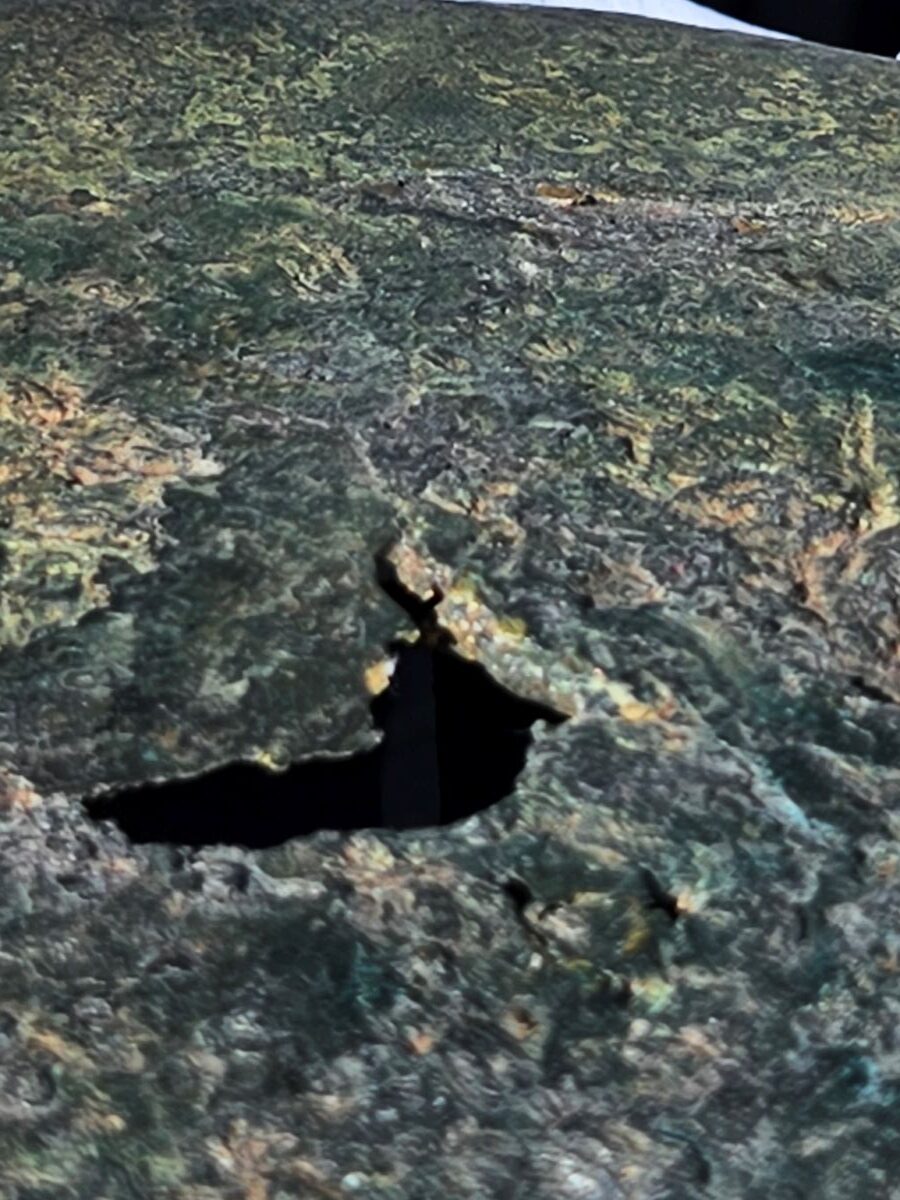
Horse-headed Yaksini Asvamukhi Bronze Disc
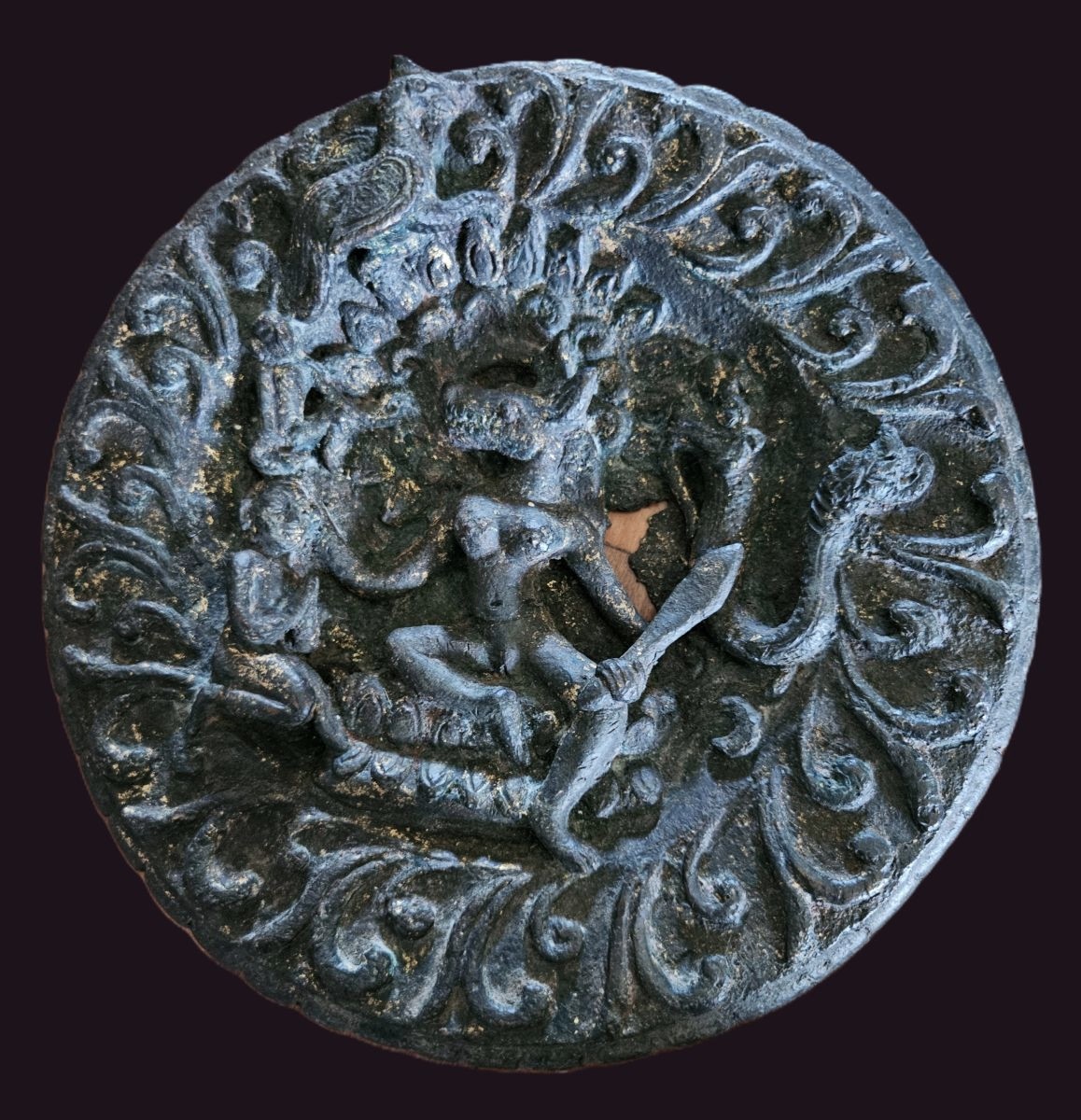
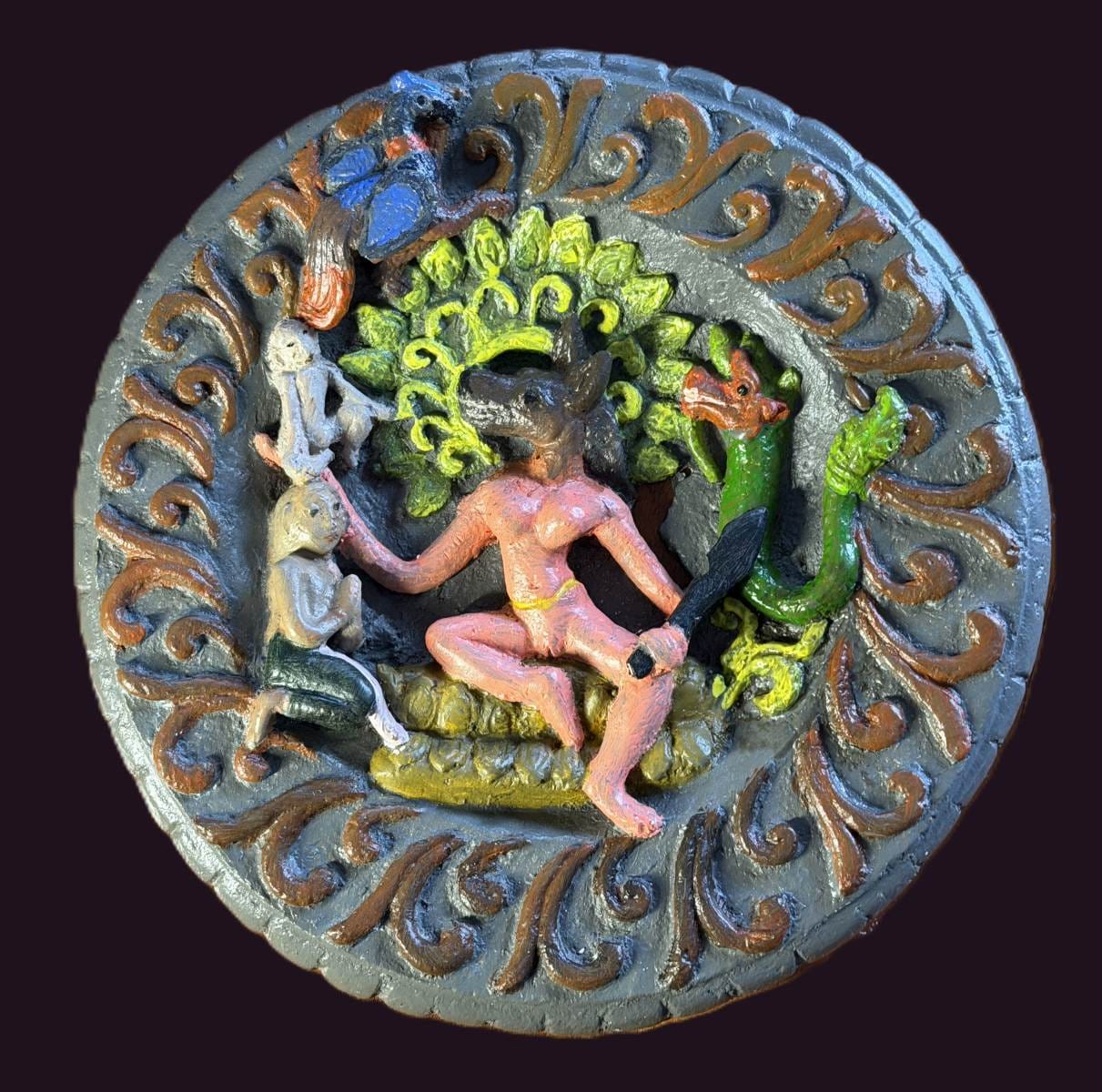
This Horse-headed Yaksini Asvamukhi Bronze Disc was acquired in Myanmar many years ago. Its iconography immediately intrigued us: Myanmar strictly practices Theravada Buddhism, yet this piece points to something entirely different. We concluded that its roots likely lie in the region’s earlier animistic and religious traditions.
Unfamiliar with early regional belief systems in Myanmar of those times, we initially identified the figure as Hayagriva, the horse-headed avatar of Vishnu. Further research revealed that the image actually depicts the horse-headed Yaksini Assamukhi, a figure central to the Padakusalamanava Jataka (Jataka 432).
Physical Description & Metallurgical Observations
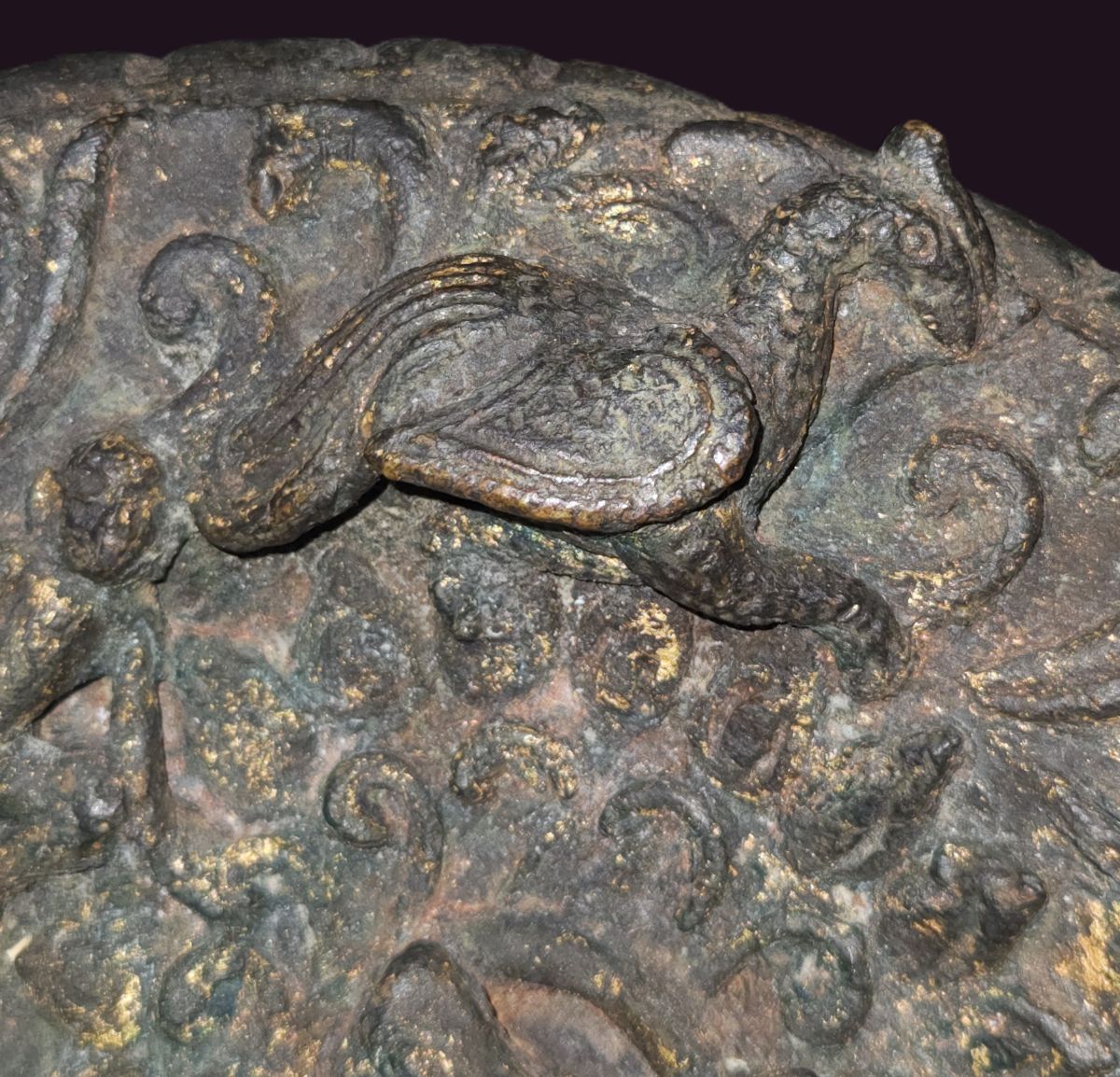
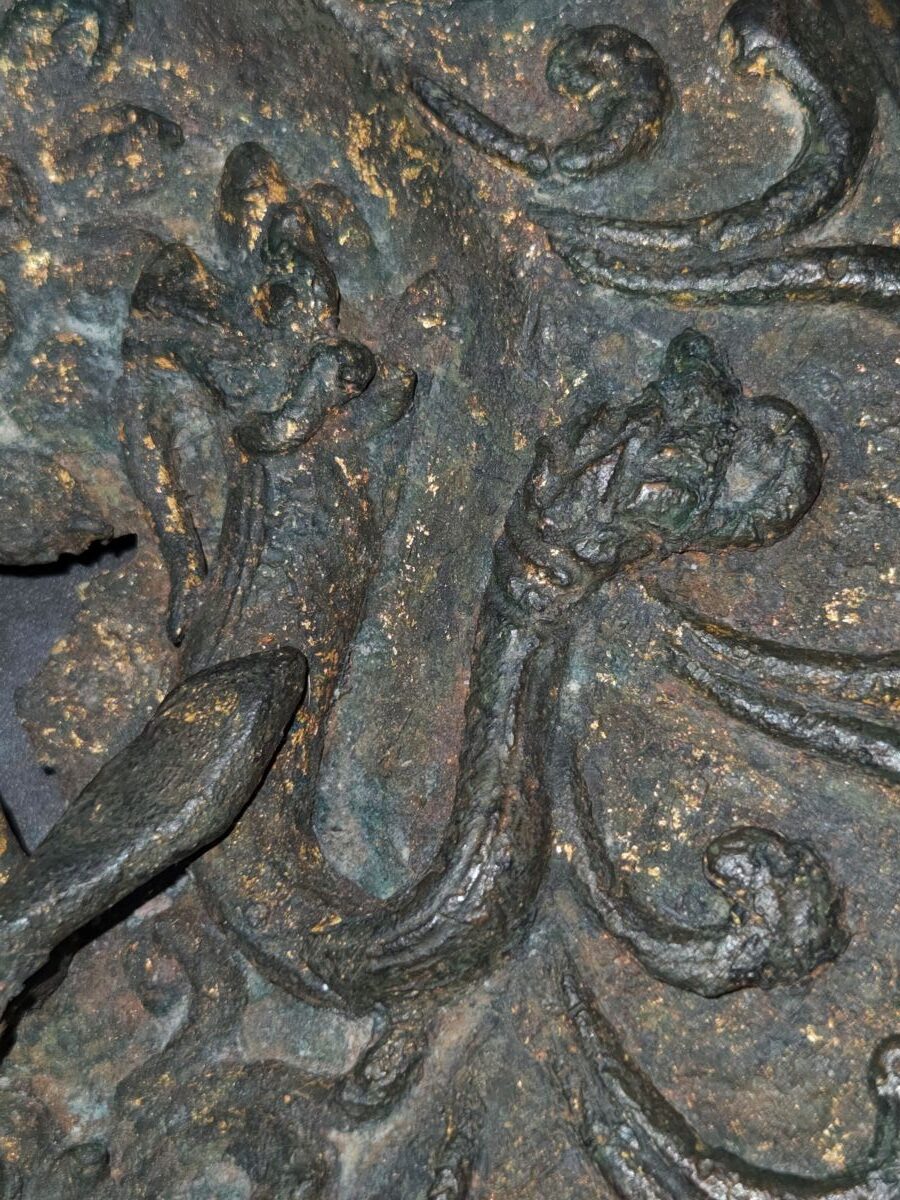
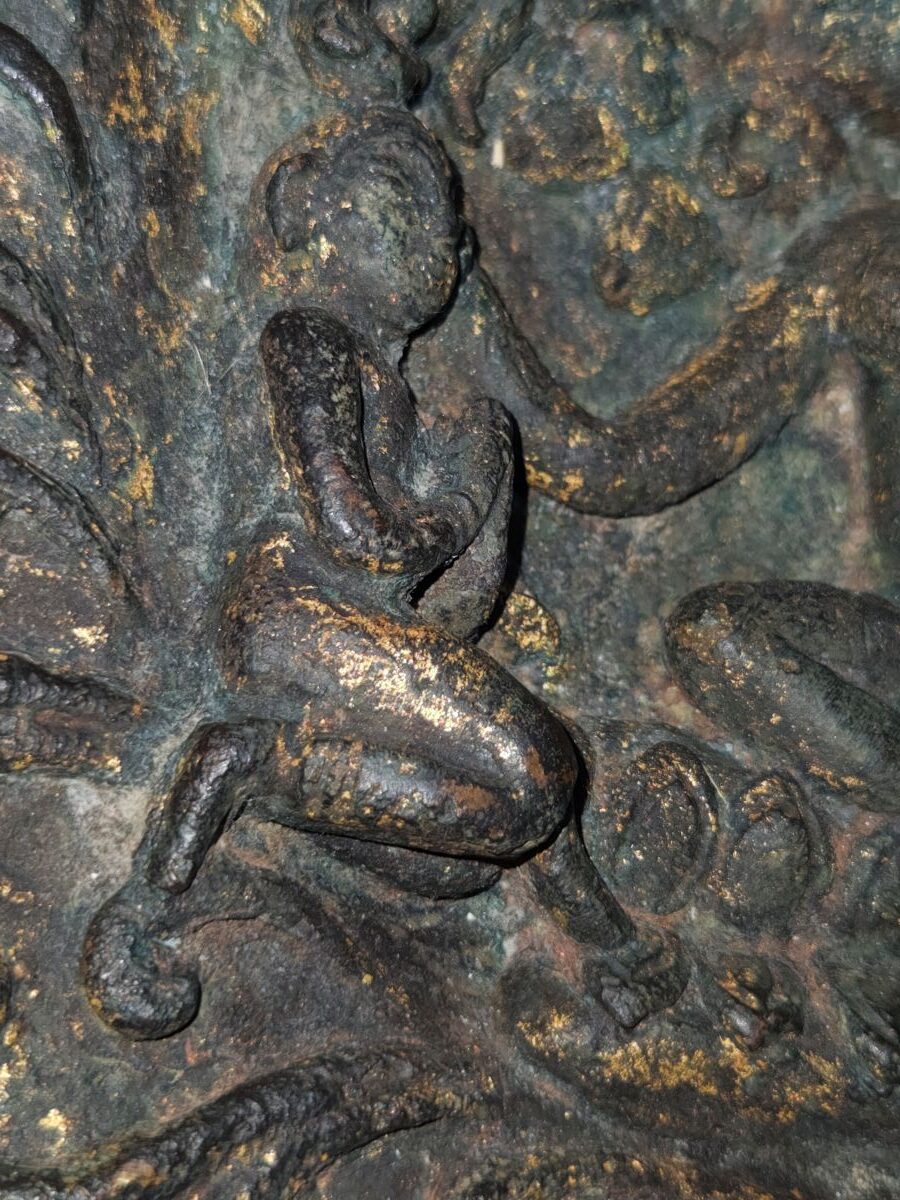
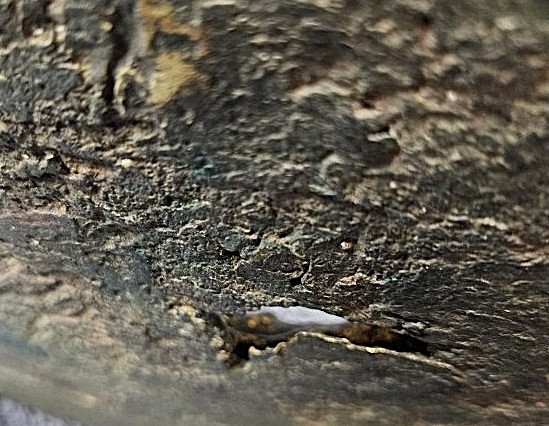
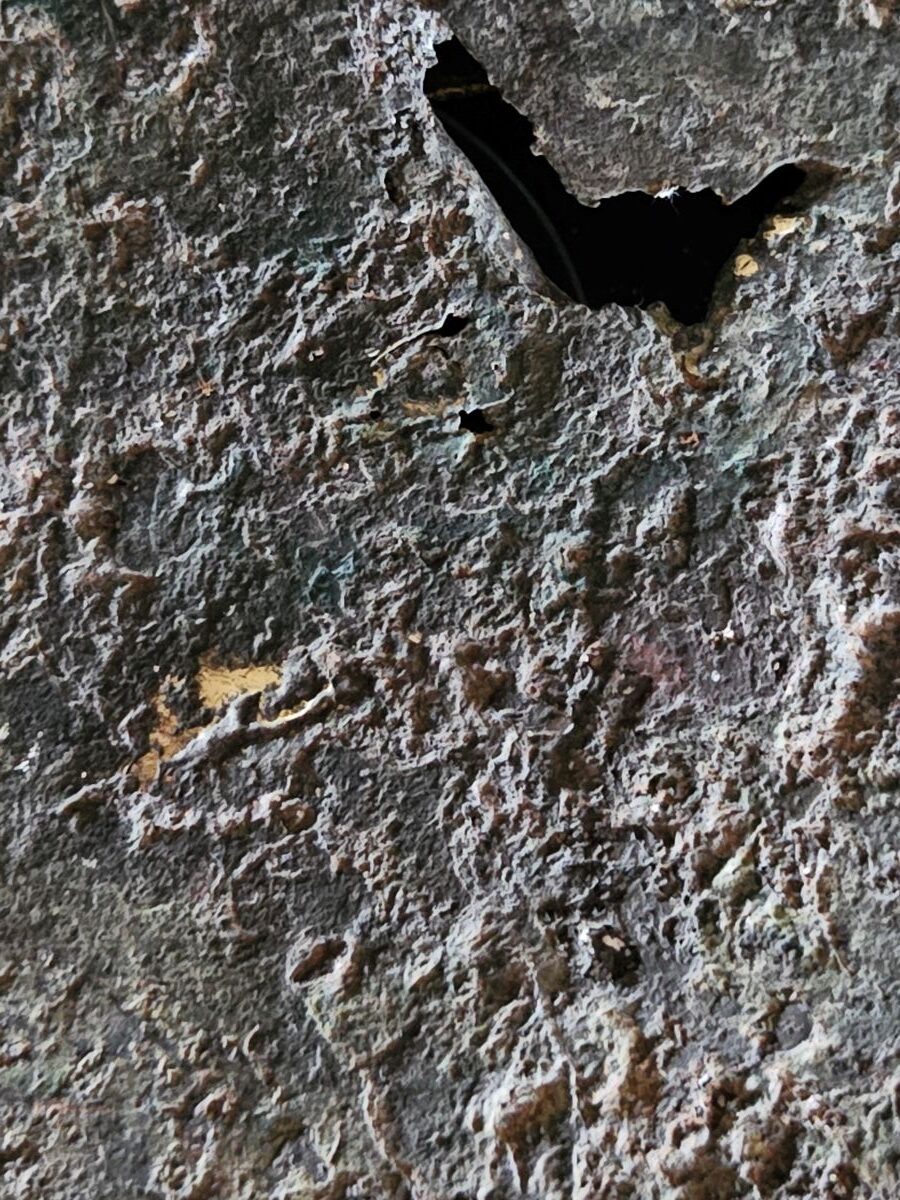
Cast in a heavy, archaic style, its surface shows deep pitting and heavy corrosion. At its thinnest point, complete metal loss reveals bright gold-colored flecks embedded within the alloy matrix. These flecks suggest either gold added during casting or remnants of ancient gilding techniques seen in Pyu and early Mon ritual bronzes. The heavy oxidation and rough cast texture point to prolonged burial, consistent with foundation deposit plaques and relic chamber items recovered from early Pyu and Mon sites.
SPECIFICATIONS:
- AGE: Mon/ Pyu pre Pagan
- DIAMETER: 26 cm
- THICKNESS: 2 – 3 cm – varying
- WEIGHT: 7.9 kg.
Horse headed Yaksini Asvamukhi Bronze Disc
This horse-headed Yaksini Asvamukhi bronze disc was acquired in Myanmar many years ago. Originating from the Pyu-Mon period (c. 5th–9th century), its iconography immediately intrigued us. While modern Myanmar strictly practices Theravada Buddhism, this disc points to something far earlier, suggesting deep roots in the region’s ancient animistic and pre-Buddhist traditions.
In the Padakusalamānava Jātaka, “a former queen is reborn as a horse-headed yakṣiṇī living in a mountain cave. Given power over the surrounding wilderness, she captures a travelling Brahmin. Instead of devouring him, she keeps him captive in her cave as her husband. Their son, the Bodhisatta eventually plans their escape by learning the exact boundaries of her territory, which she cannot cross”.
The Padakusalamānava Jātaka gives the earliest portrait of Aśvamukhī as both a dangerous spirit and a mother. As this story spread into Southeast Asia, local communities adapted it, making it a great example of how Indian Buddhist lore was absorbed into regional traditions.
Artists in the Arakan, Mon, and Pyu regions did not just copy the story, they reinvented it using local symbols like the Nāga and the Hintha (haṃsa). In Burma, this horse-headed creature became known as a beluma, a female ogre with the male counterpart called a Belu.
Sculptors across South and Southeast Asia depicted Aśvamukhī with a horse’s head and a human body, frequently adding her captive husband or young son. Depictions of Asvamukhi Yaksini moves from early Indian stone reliefs at Bharhut and Bodh Gaya to terracotta plaques and murals seen in the temples of Pagan.
In Old Burma – Early Pagan (Volume III), Gordon Luce recorded multiple Pagan examples of a the horse headed Yaksini, confirming the figure’s popularity in early Myanmar.
Chiara Policardi’s studies trace these horse-headed figures – Her research can be viewed here