Rakhine State: A Brief Dynastic History
Rakhine State: A Brief Dynastic History: Historiographical traditions within Arakan suggest that Buddhism was introduced to the ancient capitals of Rakhine State during the lifetime of the historical Buddha, traditionally dated around 563 BCE, though alternative chronological frameworks exist.
Local chronicles attribute the foundation of Dhanyawadi and Vesali, the principal pre-1000 CE urban centers to Indo-Aryan migrants from the Ganges Valley. According to these traditional accounts, Dhanyawadi served as the primary capital until circa 350–370 CE, while Vesali assumed dominance from 788 to 957 CE, maintaining its status until 1018 CE.
Early Inhabitants of Rakhine
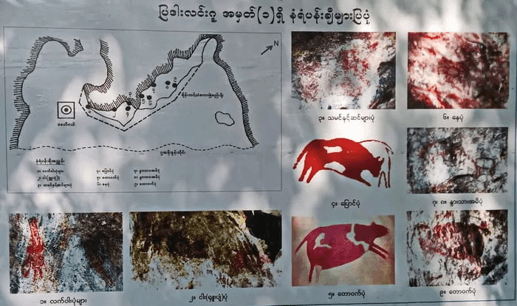
Archaeological and historical analysis suggests that Vesali operated as a larger, more prosperous maritime port than its predecessor. Notably, these final two royal capitals occupied a narrow valley between the Kaladan and Lemro rivers, situated approximately 16 miles apart. Furthermore, indigenous chronicles identify the earliest inhabitants of Rakhine as Negrito populations, characterized in text as “Bilis” and regarded as direct descendants of the regional Neolithic culture.
Rulers of Rakhine
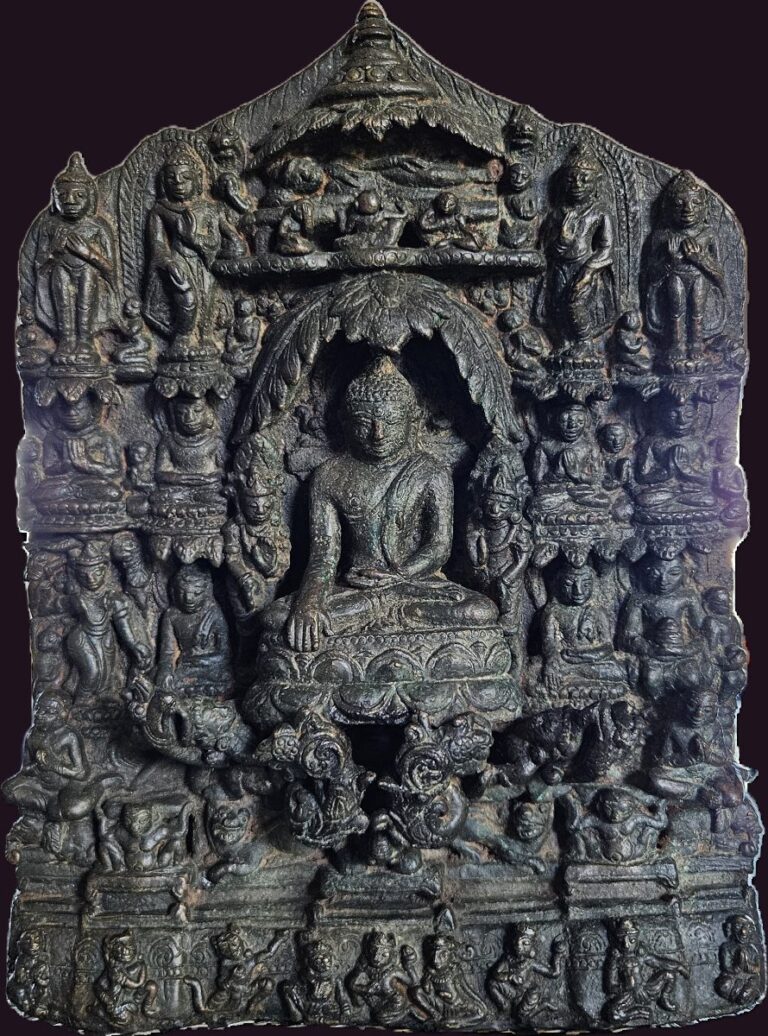
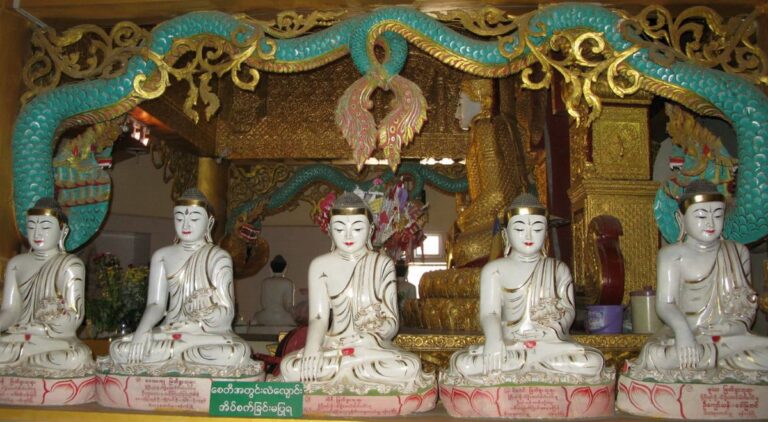
During this early period, most monarchs assumed titles incorporating Suriya or Canda. Rakhine tradition identifies King Canda Suriya as the most prominent Buddhist ruler contemporary with Gautama Buddha. According to local chronicles, the king encountered the Buddha on Selagiri Hill and invited him to the capital, where the Buddha remained for seven days. Prior to the Buddha’s departure, the king requested a physical likeness to serve as an object of veneration; the Buddha consented, initiating the legendary casting of the Mahamuni image. While traditional accounts place this event in the sixth century BCE, modern scholarship suggests the historical casting occurred significantly later, likely around the second century CE.
Following the monarch’s request and the Buddha’s subsequent assent, a portrait image was cast and installed within a dedicated shrine on Sirigutta Hill to commemorate the visitation. This sculpture, the celebrated Mahamuni Buddha, was later transferred to the Mahamuni Pagoda in Mandalay. The contemporary image is encrusted with several inches of accumulative gold leaf applied by generations of pilgrims, obscuring its original stylistic features.
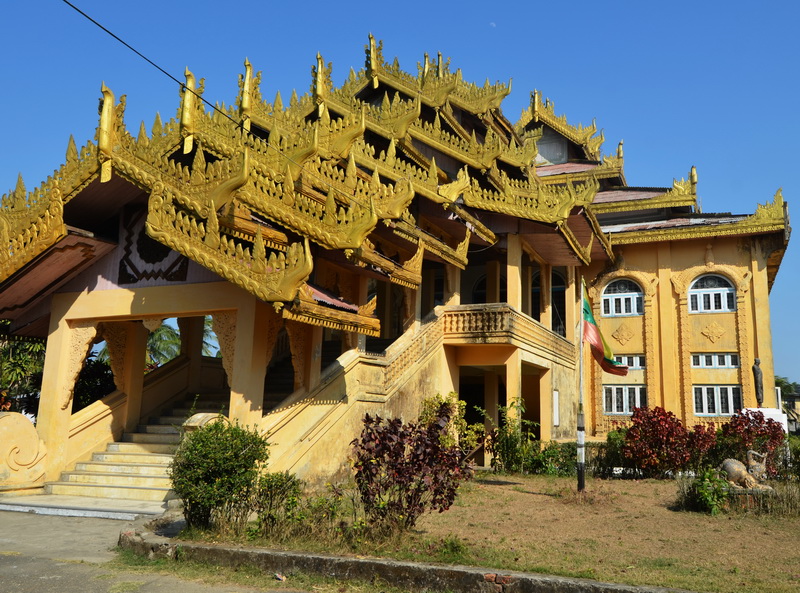
While local tradition maintains this narrative, modern historical consensus views the Buddha’s journey to the region as legendary rather than historical, concluding that he never traveled outside the Indian subcontinent. Physical evidence from these early eras is preserved regionally; the Mrauk-U Archaeological Museum houses significant local excavations, while the larger Rakhine State Cultural Museum in Sittwe maintains a broader collection of Buddha statues and artifacts from the classic periods. Given that extensive portions of ancient sites like Dhanyawadi and Vesali remain unexcavated, the region presents profound opportunities for future archaeological field research.
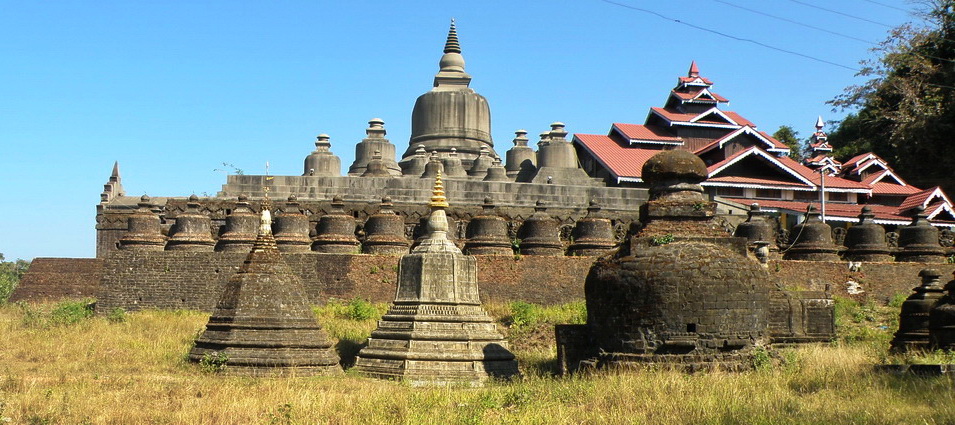
The structural history of Arakan between the fifth and eleventh centuries has been pieced together largely through local epigraphic discoveries. These political lineages are documented chiefly via prashastis formal royal panegyrics that record the genealogies of various rulers. The most vital example survives on the multi-sided Shitthaung pillar, a sandstone monolith carved in the Vesali period and subsequently transferred to Mrauk-U. This monument belonged to an established state tradition that tied the realm’s agricultural and social well-being directly to the ruler’s adherence to cosmic law.
Rakhine State: A Brief Dynastic History
| Era / Major Period | Sub-Period / Capitals | Traditional Dates | Key Rulers & Historical Developments |
| Dhanyawadi | First Dhanyawadi | 3325 – 1483 BCE | Founded by King Marayu. |
| Second Dhanyawadi | 1483 – 580 BCE | Ruled under King Kanrazagree. | |
| Third Dhanyawadi | 580 BCE – 326 CE | King Chandra Suriya: Tradition records the visit of Gautama Buddha and the casting of the Mahamuni Image. Coins were first introduced as currency in Arakan during this era. | |
| Vesali & Lemro | Vesali Kyauk Hlayga | 327 – 794 CE | Founded under King Dvan Chandra. |
| Sambawak | 794 – 818 CE | Established under Prince Nga Tong Mong (Saw Shwe Lu). | |
| Lemro Period | 818 – 1430 CE | King Nga Tone Mun: Marked the height of civilization in the Bay of Bengal. Highly prosperous international trade with the West. Major cities flourished, including Pyinsa, Purain, Taung Ngu, Narinsara, and Laungkrat. Gold and silver coinage was actively used. | |
| Golden Mrauk-U | First Mrauk-U Period | 1430 – 1530 CE | Established by King Mun Saw Mwan. |
| Second Mrauk-U Period | 1530 – 1638 CE | King Mun Bun (Min Ba Gri): Solidified regional power. Arakan reached its zenith of national unity, naval power, and regional influence. | |
| Third Mrauk-U Period | 1638 – 1784 CE | Final era of the independent Arakanese kingdom prior to 1784. |
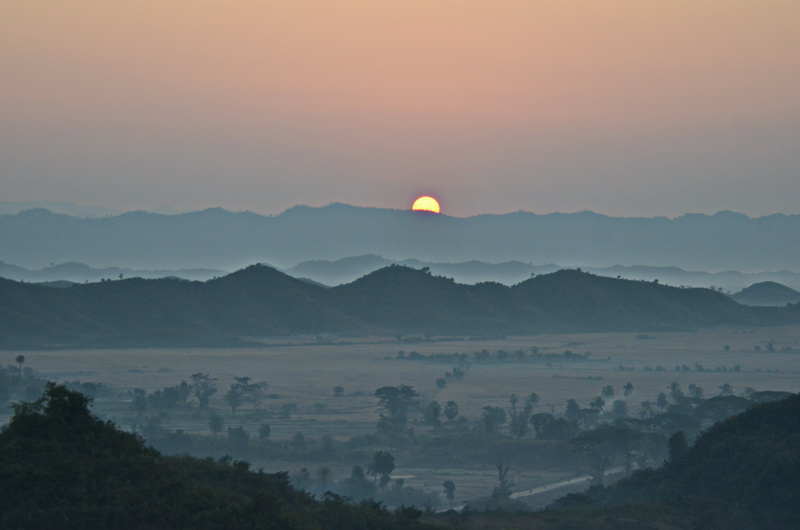
Unfortunately, this area in spite of its historical history and archeological richness has been sadly neglected. Many of the temples are in ruins and those that showed evidence of attempted repair it was crude. In spite of this visiting Mrauk-u was a wonderful experience, never to be forgotten. I am sad to see what has happened to this area since we visited it in 2012.