Chinese Qing Dynasty Pair of Green Glazed Oxen
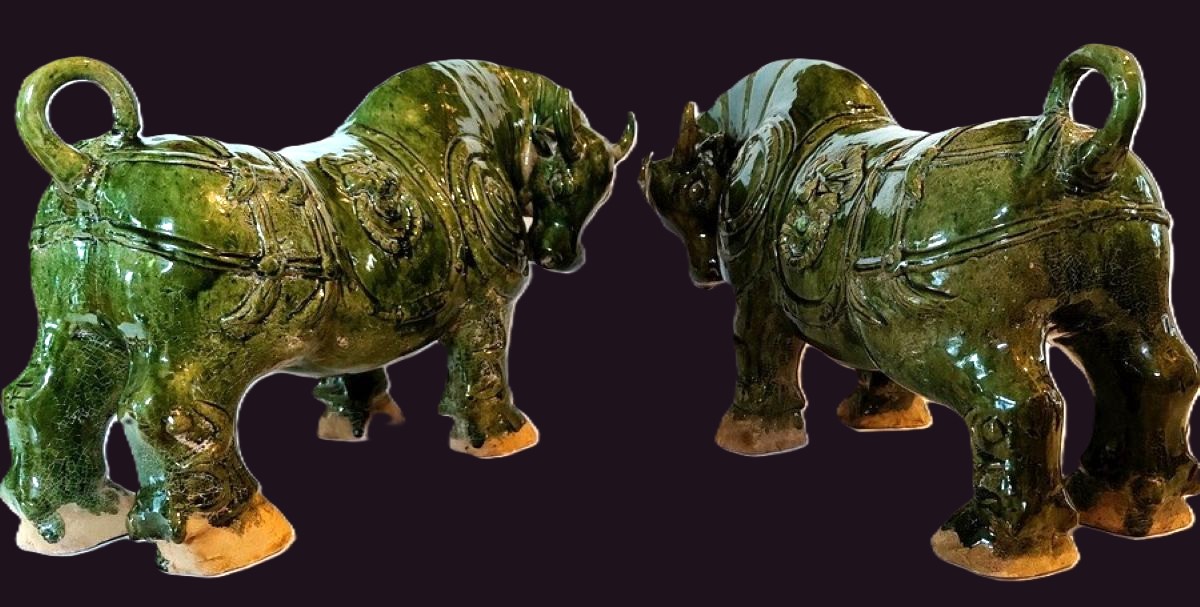
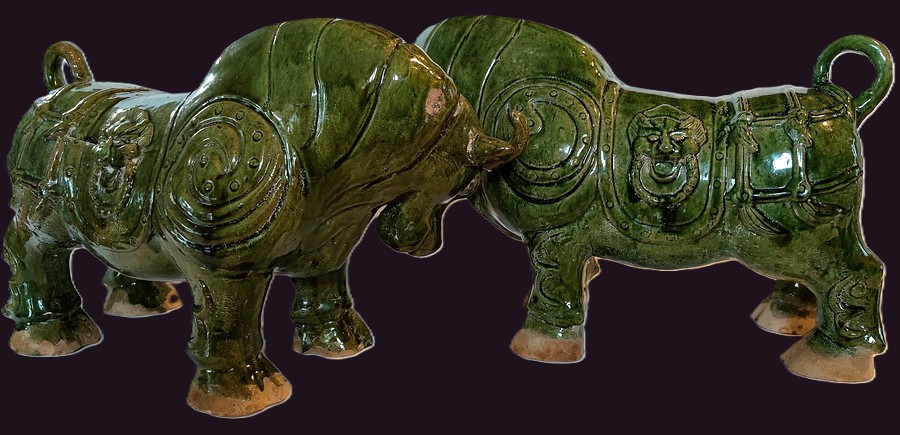
Chinese Qing Dynasty Pair of Green Glazed Oxen
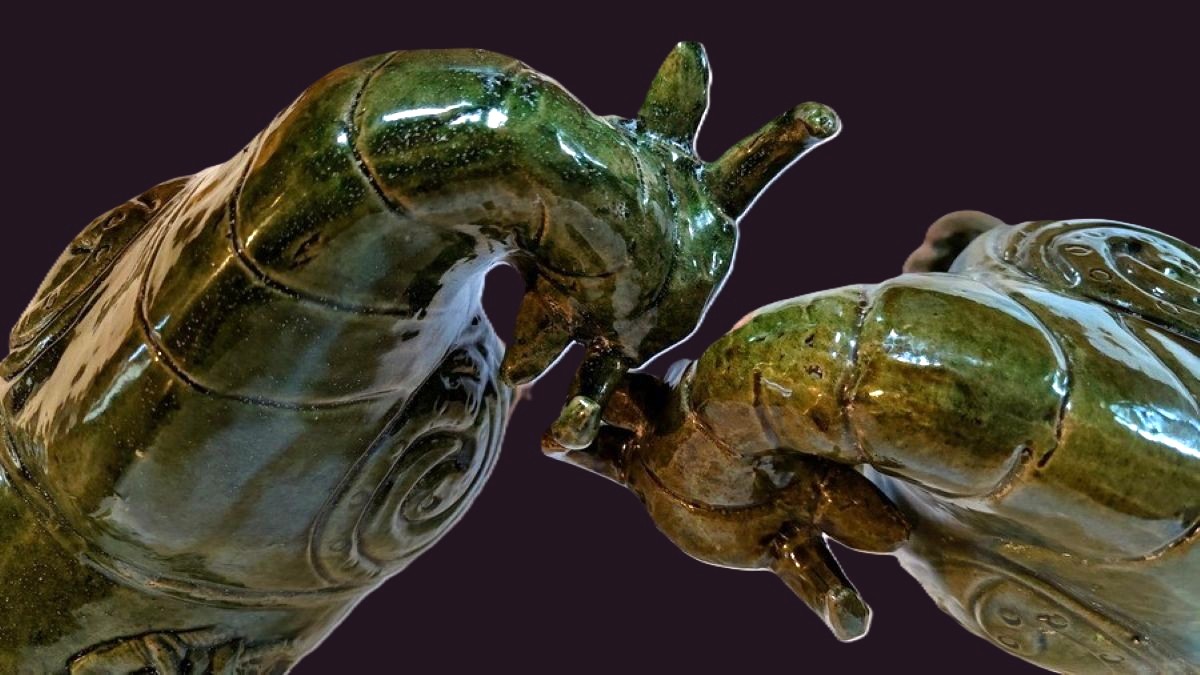
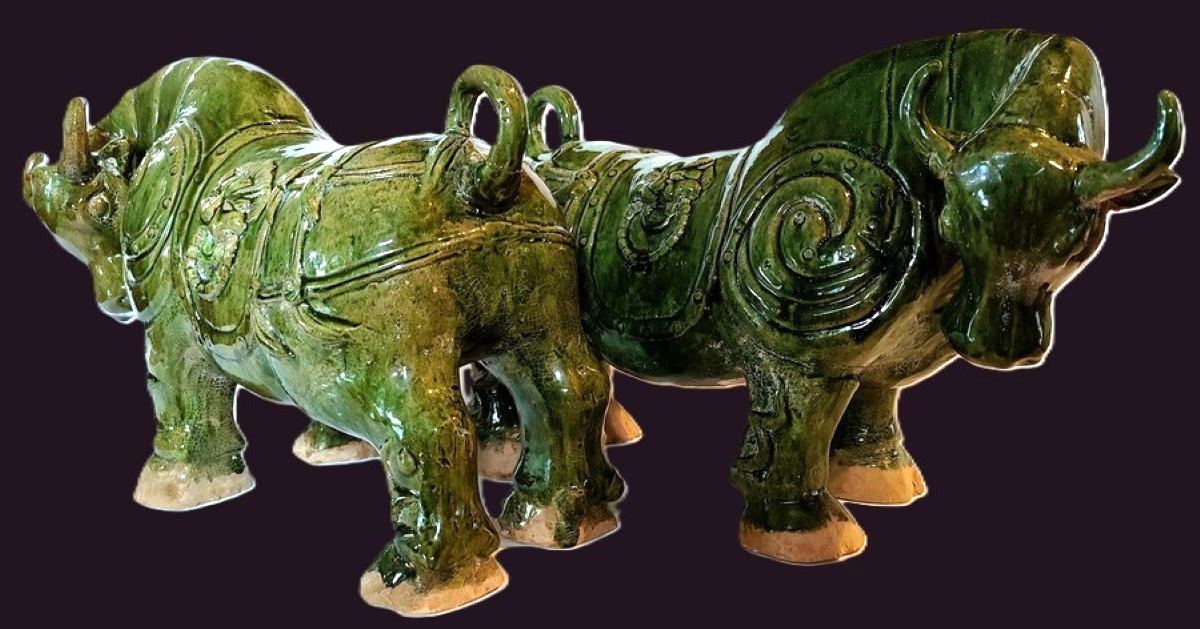
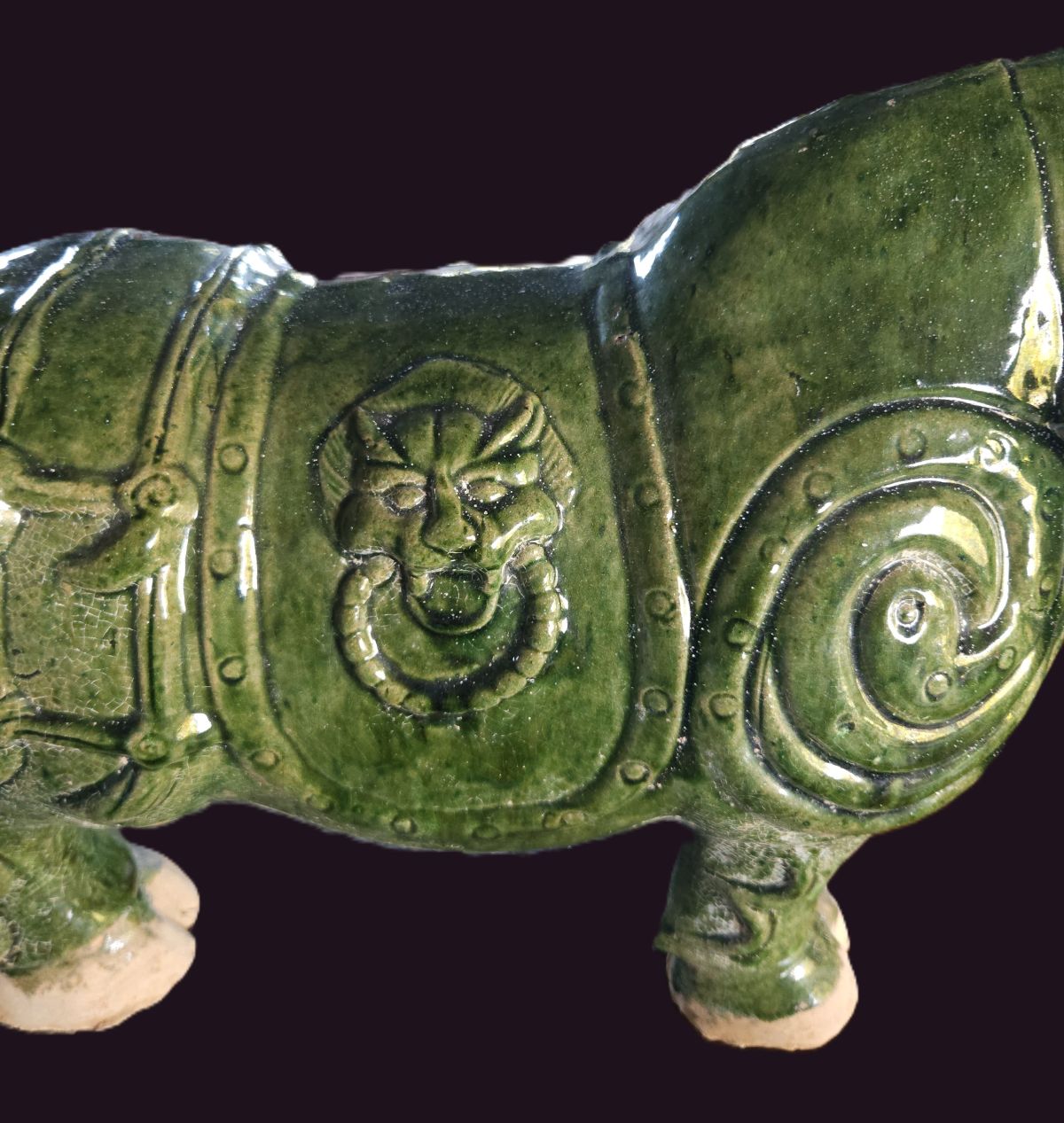
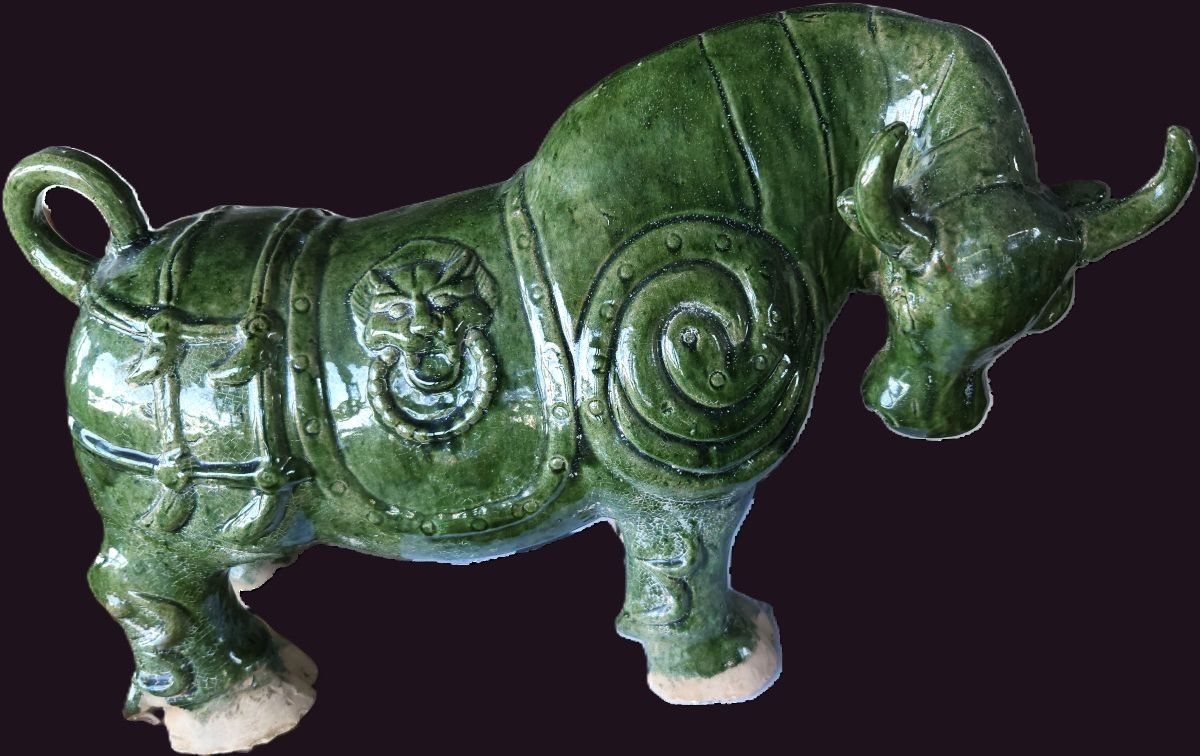
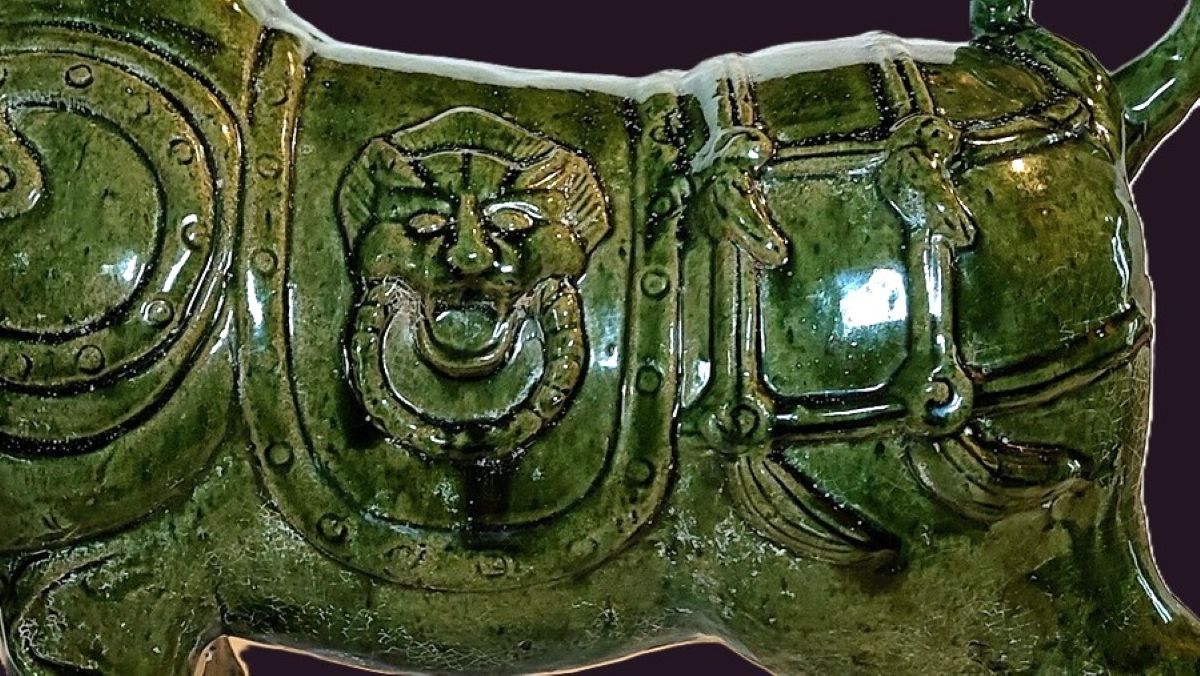
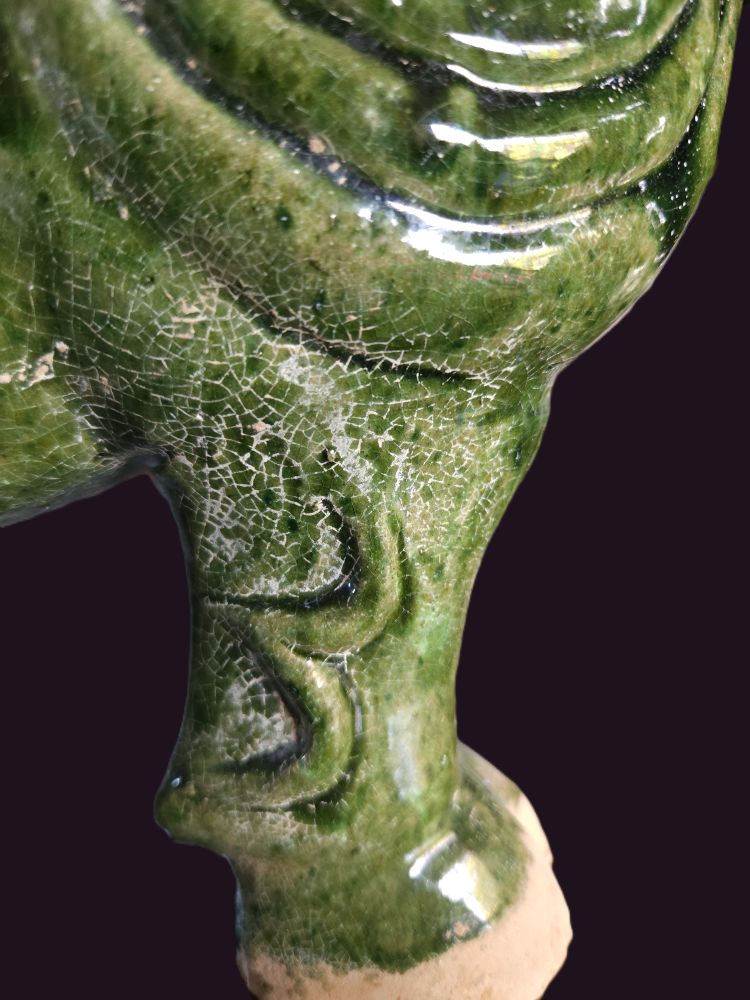
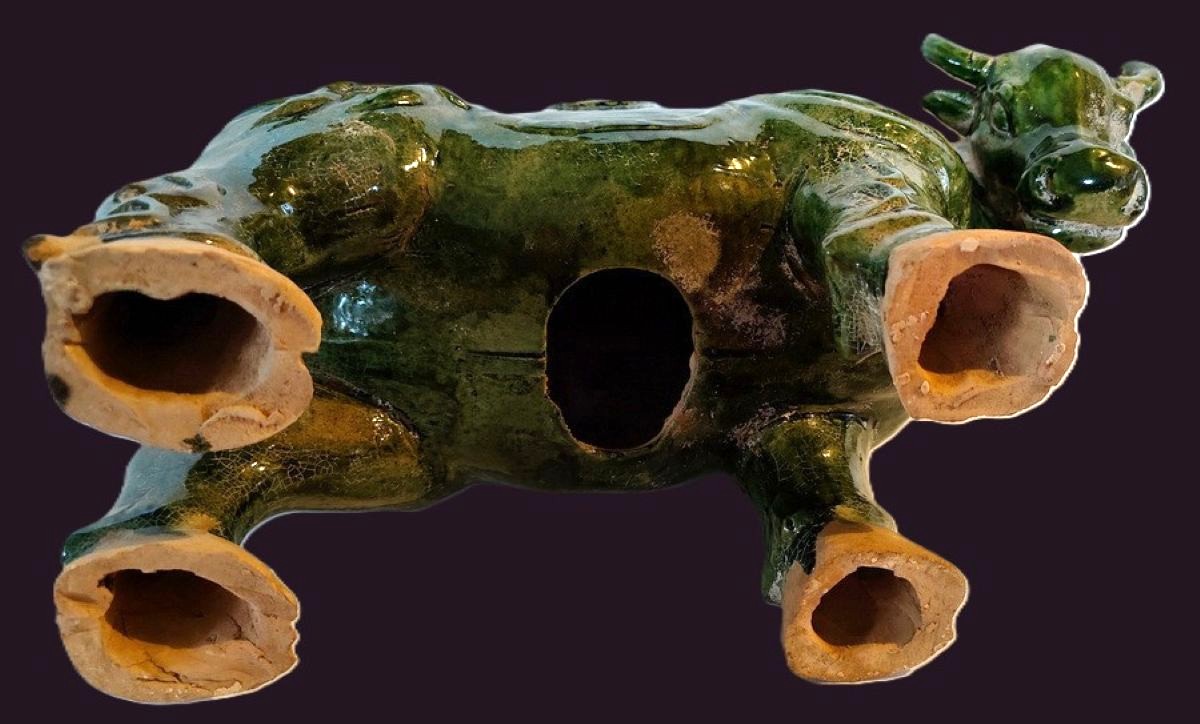
An impressive mirror pair of Chinese Qing Dynasty Green Glazed Oxen, one of the most important animals to be used in ancient China for agricultural purposes, such as pulling a plow to turn over the earth in preparation for planting crops, and in pulling carts, as well as other tasks. The oxen are the second animal in the 12-year Chinese zodiac cycle, believed by the Chinese to be the symbol of diligence.
In traditional agrarian China, the bull or ox was the backbone of the rural economy, serving as the primary draft animal for plowing fields and hauling heavy cargo. This vital reliance on bovine labor elevated the animal far beyond simple livestock, transforming it into a sacred symbol of diligence, endurance, and agricultural prosperity. Because the creature’s muscle power directly sustained the nation’s food supply, a profound moral and cultural reluctance to consume beef persisted throughout the Qing Dynasty. In fact, imperial decrees frequently outlawed the slaughter of healthy working oxen to protect the empire’s agricultural stability.
SPECIFICATIONS:
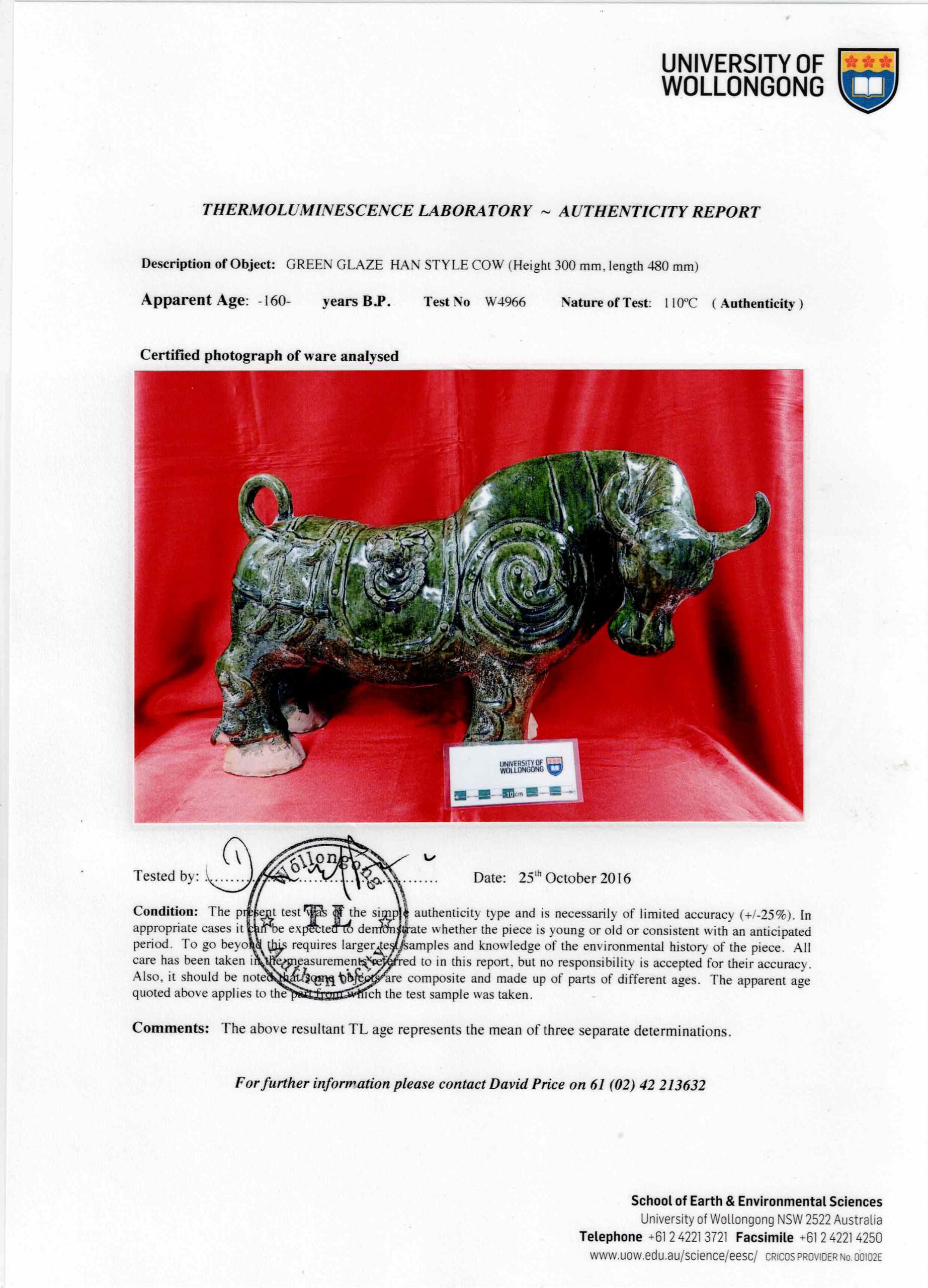
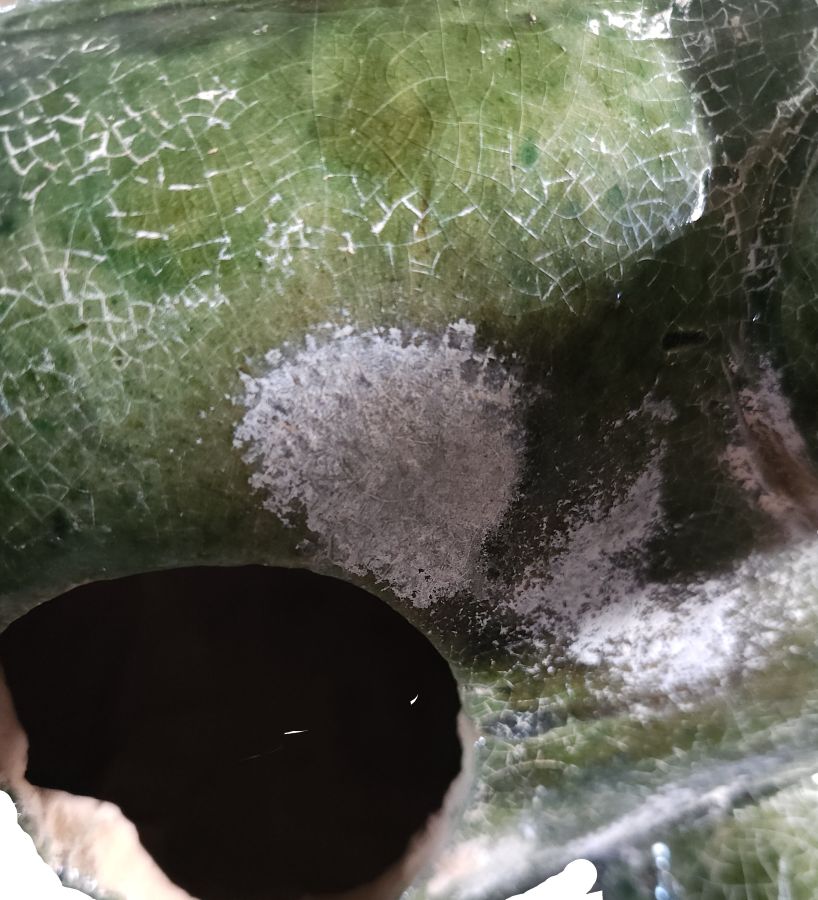
- AGE: – One piece – TL Tested University of Wollongong Lab – 160 years old. (with certificate)
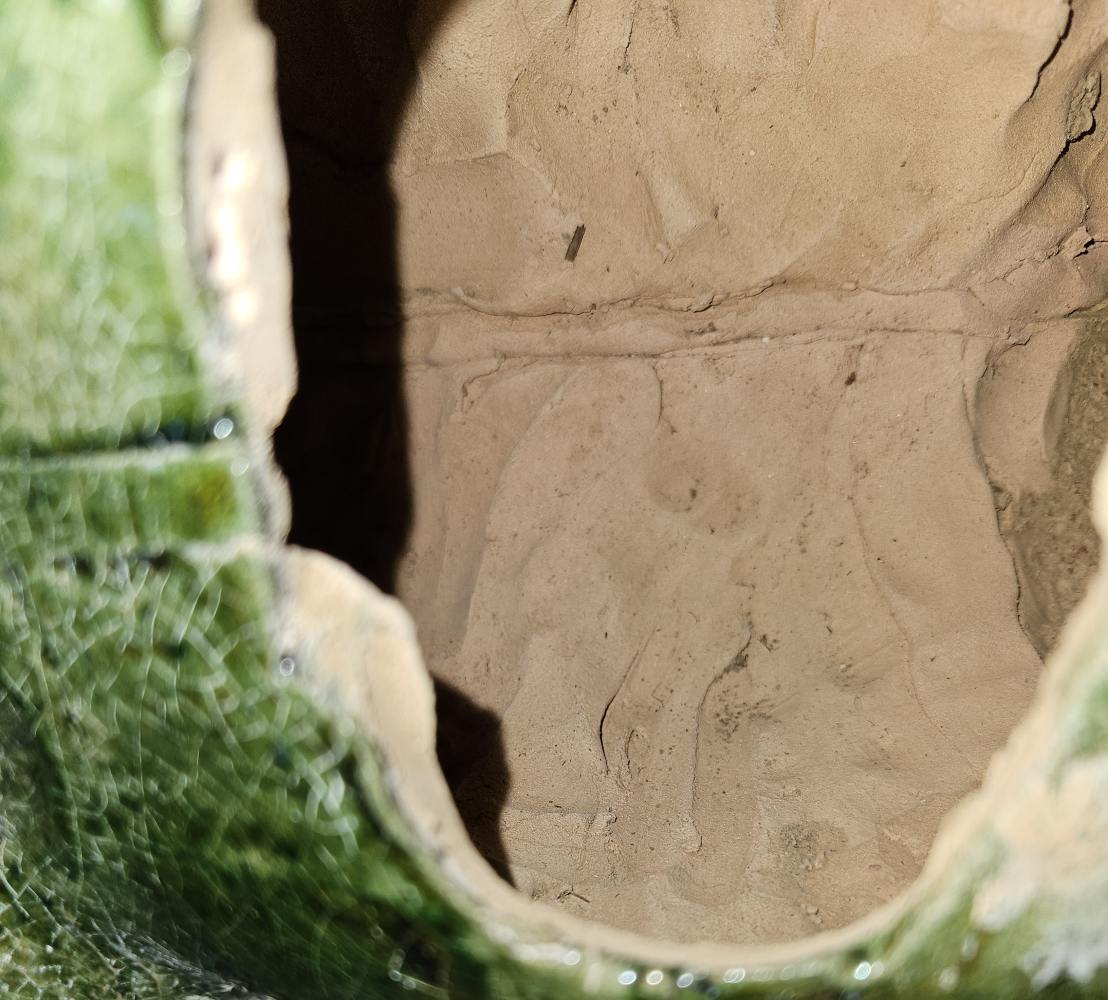
- CONSTRUCTION: – Clay
- HEIGHT: – 31 cm each
- LENGTH: – 47 cm each
- WIDTH: – 18 cm each
- WEIGHT: – 10 kgs (combined)
- #70
Chinese Qing Dynasty Pair of Green Glazed Oxen
The economic importance of the ox was deeply reflected in state rituals and local folklore. Each spring, the Qing Emperor would personally perform a ceremonial plowing rite, guiding an ornate ox-drawn plow to symbolically initiate the agricultural year and ensure the favor of the gods. In rural communities, villagers participated in the “Rite of the Spring Ox,” where a large clay effigy of an ox was paraded and ritually struck with sticks to banish the cold of winter, awaken the earth, and encourage a bountiful harvest.
Beyond its practical duties, oxen held a revered place in China’s spiritual and artistic traditions. In Daoist lore, a gentle ox famously served as the mount for the sage Laozi during his journey westward, symbolizing a peaceful harmony with nature and an enlightened mind. Sculptural representations of bulls and oxen were also believed to possess protective powers; heavy bronze or ceramic bovine figures were frequently placed near waterways or within homes to stabilize unpredictable elements, ward off natural disasters, and anchor the household with cosmic strength and good fortune.
The Sacred and Practical History of the Chinese Ox
In ancient China, the ox was held in high esteem, cast in ritual bronzes, and placed in tombs, these objects are referred to as ming qi. Their immense value to society meant they were used in sacred Neolithic sacrifices, and by the Han Dynasty, a shortage of horses led even high officials to adopt ox-driven carts for transportation. Because the animal was the backbone of farming, successive eras protected them fiercely; during the Yuan Dynasty, anyone caught butchering an ox without official permission faced severe penalties.
This deep reverence is tightly woven into the traditional Chinese lunar calendar. The Duke of Zhou during the Western Zhou Dynasty designated Lichun, the first of the 24 solar terms heralding the beginning of spring as the official start of the annual farming season. On this day, local officials traditionally whipped a “spring ox” effigy to signal the start of plowing.
Today, this ancient agricultural milestone has evolved into the massive seven-day Chinese New Year holiday. While the dragon often dominates modern festive parades and fireworks, the ox remains anchored in history as a foundational animal of the Chinese Zodiac.